Ohio regulators ordered new steps meant to stop AEP Ohio data-center costs from landing on other customers. It is a useful guardrail, not a promise that a home bill will drop right away.
SRP's temporary summer price cut lasts only through October bills. Phoenix-area solar buyers should use a full year of real power use and the regular rate plan before they decide how many panels or batteries to buy.
Seattle-area power bills are in the news again. For a home thinking about solar or a battery, the first job is simple: learn what your own power bill says before you trust a savings promise.
Cook County's solar page still lists an August 31 end date. But the program manager now says it is no longer reviewing new applications and is using remaining money for people already on the waitlist. Homeowners should check the live program status before sharing documents or signing a solar contract.
Piedmont, California added rebates for solar with a battery, a battery by itself, and electrical-panel work. The new city offer can lower a project price, but funds are limited and homeowners must meet a permit-based application deadline.
TVA approved a new price class for data centers as power demand grows. TVA says the rule is meant to keep homes from paying data-center costs. It is a real policy change, but it is not an instant lower bill, a solar rebate, or a reason to rush into a battery sale.
Colorado now has a law for small portable solar devices. Fort Collins says homes must wait until January 1, 2027 before installing one while the utility checks the new safety rules. These small systems will not earn bill credits for extra power, and they stop during an outage.
Riverside Public Utilities approved a $5 million home-battery rebate program. A typical eligible home may receive $500 for each unit of battery storage, up to $10,000. Qualifying SHARE households may receive more, but the program requires a time-of-use rate, so families should compare the full bill before they buy.
Colorado required many cities and counties to use an automated solar permit path by July 1, 2026. A qualifying roof project may move through local review faster, but it still needs safe work, inspection, and power-company approval before it can run. Homeowners should ask which step their installer is handling.
California moved its residential electric Climate Credit to August and September for 2026. It is automatic help on the power bill, not a solar payment or a battery rebate. PG&E, SCE, and SDG&E solar homes should check for the credit, then read the rest of the bill before deciding that a system changed their savings.
PG&E now says its 2026 Reliability Battery Initiative is full and is not taking new applications. Earlier applicants should use official PG&E and Resource Innovations contacts, ask what stays on during an outage, and wait for utility approval before using a new battery.
Oregon reopened its Solar + Storage Rebate Program on June 15, but the available $1.1 million was fully reserved. Families should not start work expecting that state rebate now. They can still compare separate utility offers, but each offer has its own rules and may change.
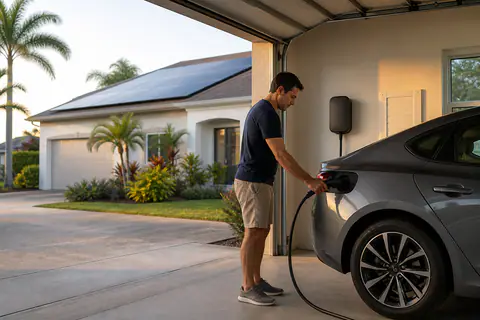
FPL's current EVolution Home offer gives some Florida EV owners a charger, installation, and low off-peak charging price. It also has a fixed monthly charge, a 10-year term, and rules that can conflict with other rate choices. Solar households should compare the full home plan before they enroll.
Sacramento Municipal Utility District raised its payment for extra solar sent to the grid to 9.6 cents per kilowatt-hour on June 1. That helps, but it does not mean sending power away is always the best move. The right plan still depends on when your home needs power, the evening price, and whether a battery fits your budget.
Texas adopted new solar-sales rules that start September 1. A seller and the company behind the sale will usually need state registration. Homeowners should still read the contract, use the five-business-day cancel window when needed, and make sure the quote names the licensed installer and utility approval steps.
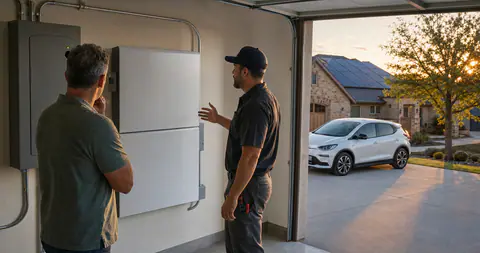
Enphase says some homes with older or non-Enphase solar can now add an IQ Battery 10C and whole-home backup without replacing all of the roof gear. That may reduce some retrofit work, but homeowners still need a utility-approved plan and clear answers about the added equipment and outage power.
New Jersey is asking for public input on a first statewide virtual power plant plan. It could link home batteries, smart thermostats, and EV chargers to help the grid during busy hours. Families should know that this is a proposal, not a live program to join yet.
Oregon approved a new rate for very large power users, including data centers. Portland General Electric says the change raised those large-user rates and lowered residential rates a little. It is a useful lesson for families watching power bills, but it is not a solar rebate or a promise that every state will do the same thing.
Virginia regulators are weighing a simple but important question: when a new power line is needed only for a data center, should that business pay the cost instead of families? The answer may shape future power bills, but it does not change a home solar plan overnight.
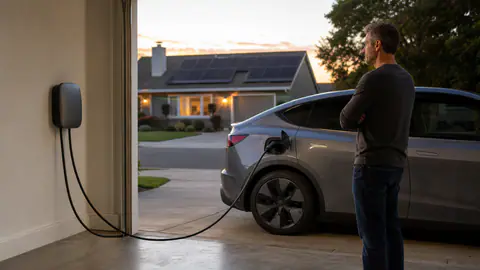
More car makers and energy companies are talking about using an EV to help power a home. That can be useful during an outage, but a normal EV and a normal charger are not enough. Families need the right car, the right charger, safe home hardware, and utility approval where required.
Bryan Texas Utilities approved a new way to pay its solar customers for extra power. The local change is a useful warning for every Texas family: a solar quote must show what you save by using your own power, not only what the utility may pay for extra power.
California has finished key rules for a new shared-solar program. It may give some renters and homeowners a way to get a power-bill credit without putting panels on their own roof, but families should check who can join and what the credit really covers.
APS will pay some Arizona battery owners for summer grid events, but the utility also says the plan may be a poor fit if your battery mainly helps you avoid the 4 p.m. to 7 p.m. peak price window.
Virginia just pushed its Switch Together solar group-buying program statewide. Families should ask what the group discount covers, whether batteries are optional, and how the offer compares with other real quotes.
North Carolina regulators are pressing Duke on a big rate case while the state argues over new data center power costs. Families should ask whether new grid wires for AI loads stay on big-customer bills or slip onto home power bills.
California has a live bill that could make small plug-in solar easier for renters and other homes shut out of rooftop solar. Families should ask what the bill really changes, what size limits still apply, and what this small solar setup cannot do.
Austin Energy now offers a bigger home solar rebate and a battery program that can pay families for peak support. The useful question is not just how much money is on the table. It is whether the full system, backup plan, and utility rules still make sense for your house.
SolarEdge says its new Nexis setup is easier to size and faster to install. Families should ask what stays on, how much wall space it needs, and whether the simpler install really lowers the full quote.
A fresh FranklinWH and Eaton partnership shows why smart breaker control may stretch battery backup time. Families should ask which circuits stay on, what extra hardware costs, and whether the setup really fits their outage plan.
A new Palmetto battery plan shows how fast monthly battery deals are spreading to homes that already have solar. Families should check ownership, outage backup, transfer rules, and the real monthly math before they sign.
Washington families may hear about a big battery incentive, but the main proposal is still a bill. Check utility rate rules, solar credit rules, and ownership terms before you buy.
The federal homeowner tax credit is gone for new 2026 installs, but batteries are still growing. Families need to check local rebates, battery pay programs, and real backup value before they buy.
Sunrun says some solar-plus-battery homes may host small AI compute boxes for pay. Families should ask about noise, heat, service visits, and backup power before they agree.
Dominion's latest Virginia timeline says new virtual power plant programs come later than many shoppers may think, so no battery quote should count summer 2026 grid pay as real money today.
California solar homes now pay a base charge each month, so the real job is using more of your own solar power at home and not expecting exports alone to wipe out the bill.
Nevada BRIGHT gives homeowners a lease-style solar path after the federal credit ended, but the real fit still depends on who owns the system, how net metering works, and how the numbers compare with a loan quote.
Duke Energy Florida is testing home batteries in one Orlando neighborhood, and the big lesson for other families is simple: ask what stays on, who controls the battery, and whether the utility plan changes your real bill.
Ava says some California homes can get battery money up front and then quarterly pay, but your service area, battery brand, backup reserve, and contract math still decide if it fits your house.
SRP's Battery Partner can add bill credits, but only for approved batteries on the right SRP plan, so Phoenix families should ask for the yearly math in writing.
Dominion says a Virginia virtual power plant could start this summer, but homeowners should treat future battery pay as a maybe, not a promised savings line.
Xcel still shows battery incentive math, but Enphase says new enrollments are closed, so Colorado families should ask for written proof before they count 2026 battery money.
Sunrun, Tesla, and Renew Home say home batteries can help with rising AI-era power demand, but families still need clear backup rules, pay details, and utility approval steps.
Virginia made a new power rate class for very large users like data centers. It may help protect families, but it does not mean your bill stops rising.
Some Colorado homes in higher wildfire-risk areas may get up to $10,000 toward a backup battery. Ask if your address, medical status, and battery plan all qualify before you buy.
Some Texas battery owners can get bill credits or large sign-up payments for helping the grid. Ask what backup power stays for your home before you join.
Duke says some North Carolina homes may get up to $9,000 for a new solar plus battery setup. Since enrollment resumed on June 21, 2026, ask if a slot is still open before you spend money.