Full-service solar means help with the whole job
A full-service installer should do more than put panels on the roof. They should design the system, file permits, handle utility forms, install safely, pass inspection, and set up monitoring. You pay more for that help. In return, you should know who is responsible if something goes wrong.
DIY can save money, but it adds work
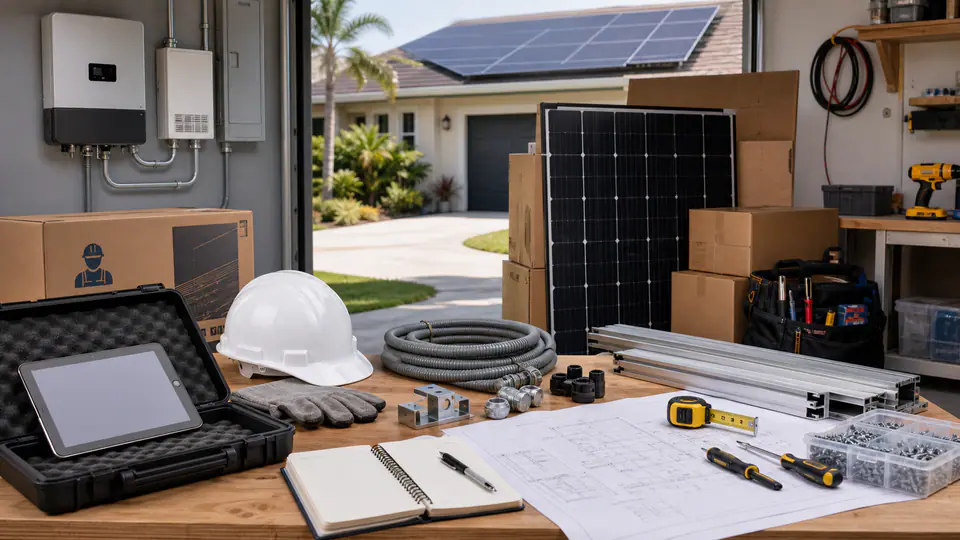
DIY solar can fit small projects, ground mounts, sheds, RVs, off-grid cabins, or skilled homeowners. But roof solar tied to the grid is not just a shopping cart. It has wiring, permits, inspections, roof attachments, safety labels, and utility approval. Missing one step can stop the system from being turned on.
Know what you can safely do
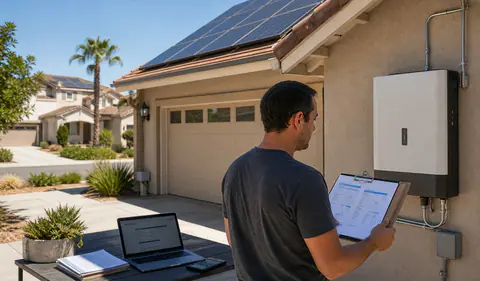
Some homeowners can research equipment, gather bills, check shade, and compare prices. Many should still hire a licensed electrician for grid-tied work. Roof work also needs care because leaks are expensive. A good DIY plan says what you will do and what a pro will do.
Warranties need a clear owner
With full-service solar, ask who handles panel, inverter, battery, roof, and labor warranties. With DIY, you may need to call the equipment maker yourself. That can be fine if you are comfortable with it. It can be frustrating if you are not. Think about service before you buy.
How to choose
Choose full-service if you want one team to manage the hard parts. Choose DIY only if you have the time, skill, and local permit help. Choose a hybrid path if you want to research and buy carefully but still use licensed pros for the dangerous work. The best path is the one you can finish safely.
A good middle path
You do not have to choose all or nothing. You can learn the basics, compare equipment, and ask better questions. Then you can still hire pros for roof work, wiring, permits, and utility approval. This gives you more control without taking on unsafe work or risking an expensive mistake later on.