Why this matters
California battery money comes from more than one place. One offer may help pay for a wall battery. Another may help with a small backup box or generator. Another may pay you for joining a study or grid program. These are not the same thing. If a quote blends them into one big number, slow down. Ask for each one on its own line.
PG&E has two paths
PG&E says its Self-Generation Incentive Program, called SGIP, has a general market rebate for home batteries. The utility says that offer covers about 15 percent of the battery install cost. PG&E also says solar customers must be on the Solar Billing Plan to qualify. An approved contractor files the application. PG&E also lists an Equity Resiliency rebate. It may cover 80 percent to 100 percent of the battery cost for some outage-hit or medically vulnerable homes. That is very different from PG&E's separate generator and battery rebate. That smaller program pays $300 for a qualified customer, with another $200 for some CARE or FERA customers.
SCE has other buckets
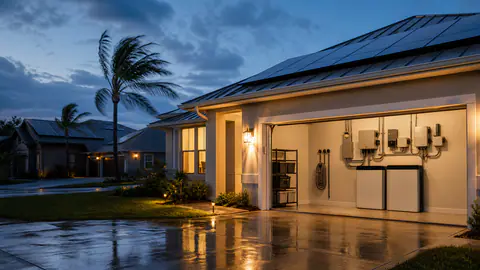
Southern California Edison says battery help depends on which program bucket fits your home. SCE says you do not need solar to qualify for SGIP. It also says a battery can last longer if your home only keeps critical loads on during an outage. Critical loads are the things you care about most, like the fridge, a few lights, internet, fans, or medical gear. If you do not fit the main SGIP rules, SCE still lists smaller backup product rebates on its marketplace. SCE says that can mean $150 for some portable power stations. It also lists $200 for some portable generators, or up to $600 for some income-qualified or Medical Baseline customers. SCE also has a demand-response study with a $400 home battery reward. That study reward is not the same as cutting your install price today.
Bill rules still matter
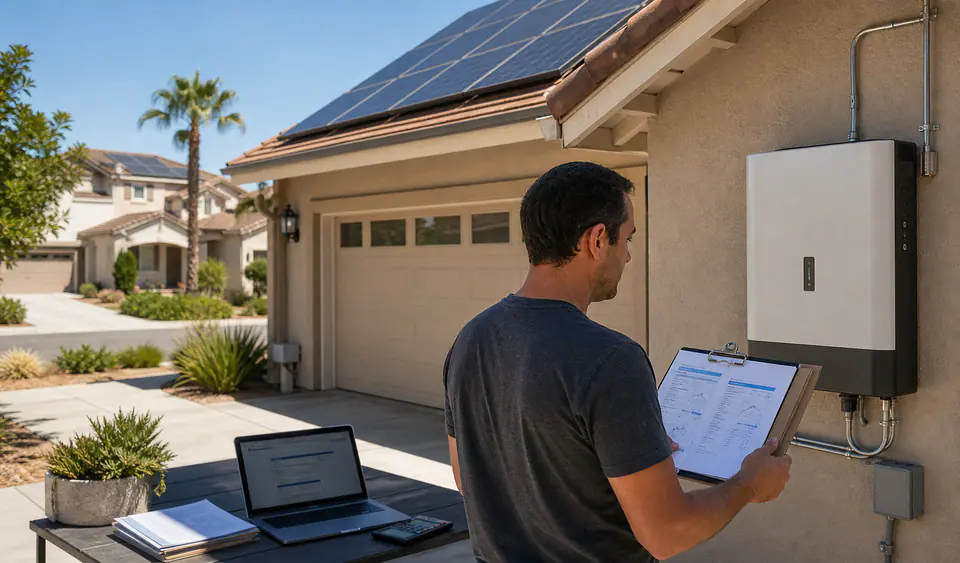
A rebate can lower the buy price, but it does not erase every bill rule. PG&E says some SGIP customers may need to move to the Solar Billing Plan. PG&E also says its Base Services Charge is not offset by monthly solar generation credits. In plain words, your solar or battery may still leave you with a fixed monthly charge. Ask the installer to show the bill with your real utility, your real rate, and your real power use. Do not accept a sample bill from another city or another power company.
Watch old tax talk
Some sales pages and program pages still mention the old homeowner tax credit. The IRS says the Residential Clean Energy Credit is not available for new property placed in service after December 31, 2025. So start with the cash price. Use no federal homeowner tax credit in that first price check. After that, add only the California or utility money that is still open for your address and your home.
Five questions
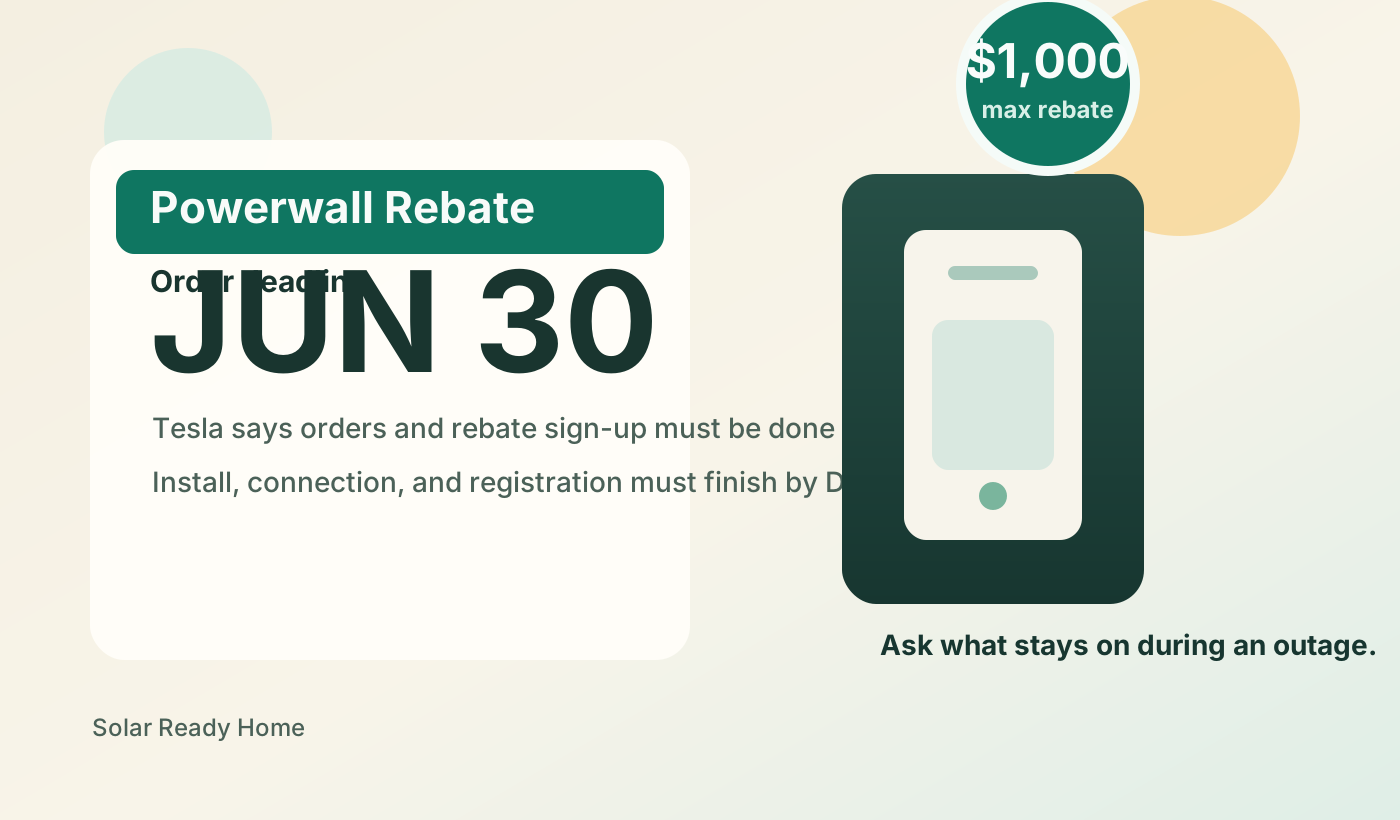
Ask if the money is for a whole-home battery, a small backup box, or a study reward. Ask who files the rebate forms and who fixes mistakes. Ask what stays on during an outage and for how long. Ask if you must switch rate plans or utility billing rules to qualify. Ask for the final installed price with no federal homeowner tax credit and no guessed savings. If the answers are short, clear, and written down, you are in a much better spot.