Guide hub
Start here if solar feels confusing.
Pick one path. Learn the simple questions. Then talk to solar companies with more confidence.
1 Check your bill
2 Check your state
3 Check your roof



Start here
These guides answer the questions that change a quote.
Read the card that matches your biggest worry. Each one gives you plain questions to ask before you sign.

Money check
Federal tax-credit reality check
Start here if a quote still shows an old federal credit.
- Ask for cash price
- Remove old credit math
Florida guide
Florida bill-credit check
Use this before you compare Florida solar or battery quotes.
- Check utility steps
- Plan storm backup
Texas guide
Texas buyback-plan math
Use this before you trust a Texas savings number.
- Know export price
- Read monthly fees
Contract check
Texas solar-contract screening
Use this to read a Texas solar contract with less stress.
- Cancellation terms
- Warranty promises
Backup power
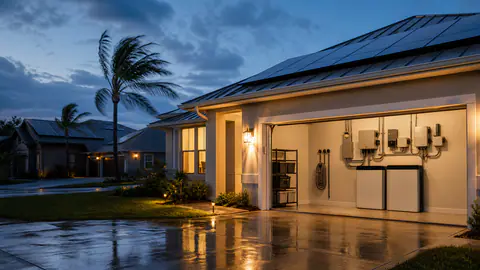
Battery backup fit
Use this if keeping power on matters more than bill savings.
- What stays on
- How long it runs
Buying path
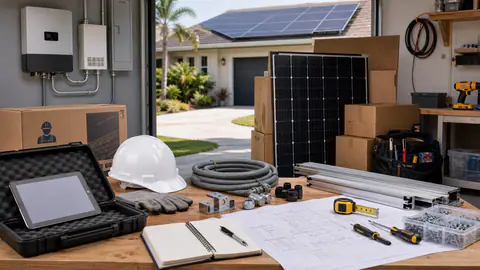
Turnkey vs. DIY path
Use this before you choose full-service solar or DIY.
- Who files permits
- Who fixes problems
State guides
Pick your state before you compare quotes.
Your power company can change the answer. Start with the state guide, then read the posts for your situation.
Florida
Florida gets strong sun. Many families also care about power during storms. Solar can help, but you must check your utility rules first.
Best for homes with high bills, a newer roof, and little shade.
Texas
Texas solar is different by company and area. Your buyback plan matters a lot.
Best for homes with high summer bills, EV charging, or backup power needs.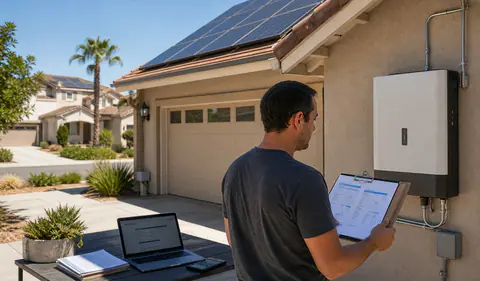
California
California has high power prices. Batteries often matter because evening power can cost more.
Best for homes with high use, EVs, and a battery plan.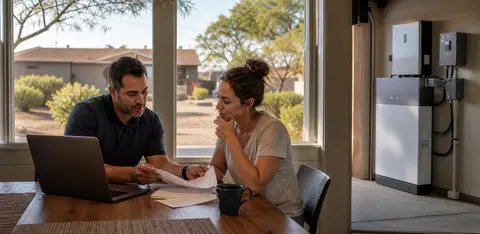
Arizona
Arizona has great sun. The best solar plan depends on APS, SRP, TEP, or your local utility.
Best for homes with high cooling bills and strong sun.
Nevada
Nevada has strong sun and many homes with air conditioning bills.
Best for sunny roofs and homes with high summer use.
North Carolina
North Carolina has good solar, but utility rules and roof shade matter.
Best for homes with open roof space and steady power use.
Quote check
A good solar quote should answer these before you pay.
If a proposal skips these, ask for a clearer version. Simple answers now can prevent expensive surprises later.
Main guides
Browse all blog posts
Helpful pages that stay useful.
Federal Solar Tax Credit: What Homeowners Need to Know Now
For new 2026 homeowner projects, do not assume a federal solar tax credit is available. Price the quote without it.
Read article
Florida Solar Help: Credits, Taxes, and Storm Backup
Florida homeowners should check bill credits, tax help, roof age, and battery backup before trusting a savings number.
Read article
Texas Solar Buyback Plans in Plain English
A buyback plan tells you what extra solar power is worth. In Texas, that value can change by provider.
Read article
Texas Solar Contracts: Plain Questions Before You Sign
A Texas solar contract should be easy to understand. Know who sells, who installs, what you pay, and how you can cancel.
Read article
Solar Batteries for Storms and Outages
A battery can help during an outage, but only if the system is designed for the loads you care about most.
Read article
Full-Service Solar or DIY: Which One Fits Your Home?
Full-service solar costs more, but it should include permits, utility forms, roof work, and support. DIY needs more care.
Read article
Fresh updates
View the daily brief archive
New solar notes in plain words.
Ohio Put New Guardrails on Data-Center Power Costs. What Home Bills Still Need.
Ohio regulators ordered new steps meant to stop AEP Ohio data-center costs from landing on other customers. It is a useful guardrail, not a promise that a home bill will drop right away.
Read article
SRP's Summer Price Cut Ends Soon. Do Not Size Solar From One Easy Bill.
SRP's temporary summer price cut lasts only through October bills. Phoenix-area solar buyers should use a full year of real power use and the regular rate plan before they decide how many panels or batteries to buy.
Read article
Seattle-Area Power Bills Are Rising. Start With Your Bill Before You Price Solar.
Seattle-area power bills are in the news again. For a home thinking about solar or a battery, the first job is simple: learn what your own power bill says before you trust a savings promise.
Read article
Cook County Solar Page Says August 31. The Program Manager Says Waitlist Only.
Cook County's solar page still lists an August 31 end date. But the program manager now says it is no longer reviewing new applications and is using remaining money for people already on the waitlist. Homeowners should check the live program status before sharing documents or signing a solar contract.
Read article
Next step
Compare Manufacturers
Compare brands after you know your needs.
Start with your bill and roof. Then compare panels, batteries, and installers.