Bill credits
Texas does not have one simple statewide solar credit. Your power company or retail plan decides what extra solar is worth.
Texas solar is different by company and area. Your buyback plan matters a lot.
Texas does not have one simple statewide solar credit. Your power company or retail plan decides what extra solar is worth.
Texas has a property tax exemption for many solar energy systems. Ask how it applies to your home.
Best for homes with high summer bills, EV charging, or backup power needs.
Full service: A full-service quote should use your real electric plan, not a made-up credit rate.
DIY: DIY buyers still need permits, safe wiring, and utility approval.
A Texas solar contract should be easy to understand. Know who sells, who installs, what you pay, and how you can cancel.
Read article
A buyback plan tells you what extra solar power is worth. In Texas, that value can change by provider.
Read article
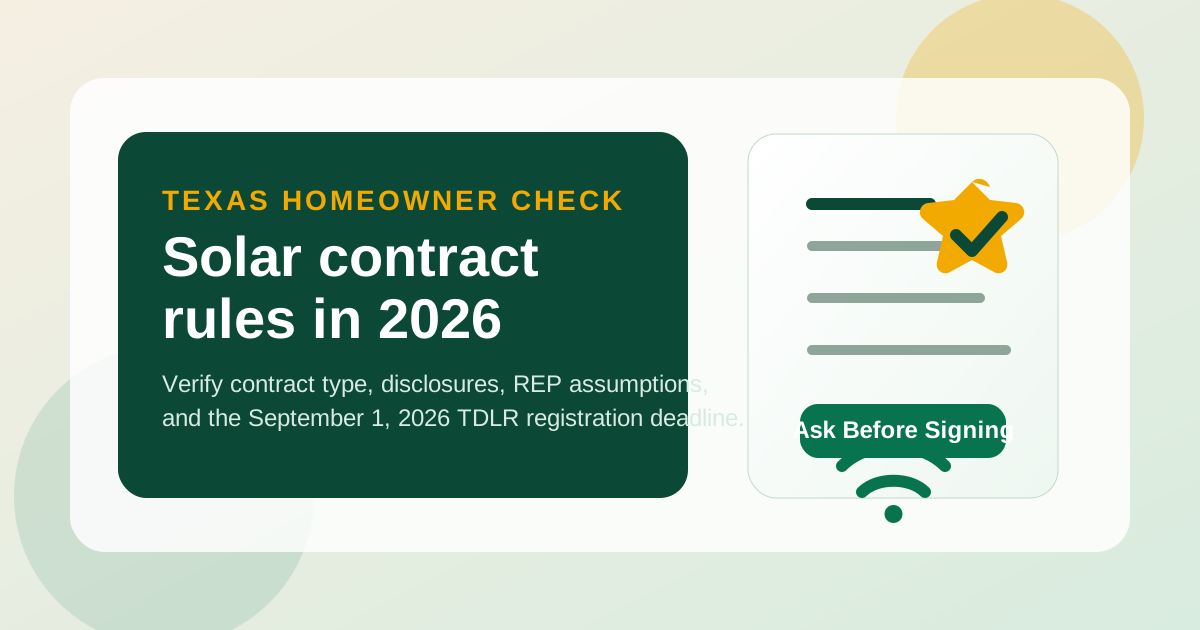
Texas adopted new solar-sales rules that start September 1. A seller and the company behind the sale will usually need state registration. Homeowners should still read the contract, use the five-business-day cancel window when needed, and make sure the quote names the licensed installer and utility approval steps.
Read article
Bryan Texas Utilities approved a new way to pay its solar customers for extra power. The local change is a useful warning for every Texas family: a solar quote must show what you save by using your own power, not only what the utility may pay for extra power.
Read article
Some Entergy Texas Powerwall owners can earn up to $325 this summer. Backup settings and utility approval matter more than the headline number.
Read article
Texas says big data centers should cover their own grid costs. Homeowners still need a solar quote built on their real power plan.
Read article
Some Texas battery owners can get bill credits or large sign-up payments for helping the grid. Ask what backup power stays for your home before you join.
Read article
In Texas, your electric plan can change your solar savings. Read the buyback rules before you trust the payback number.
Read article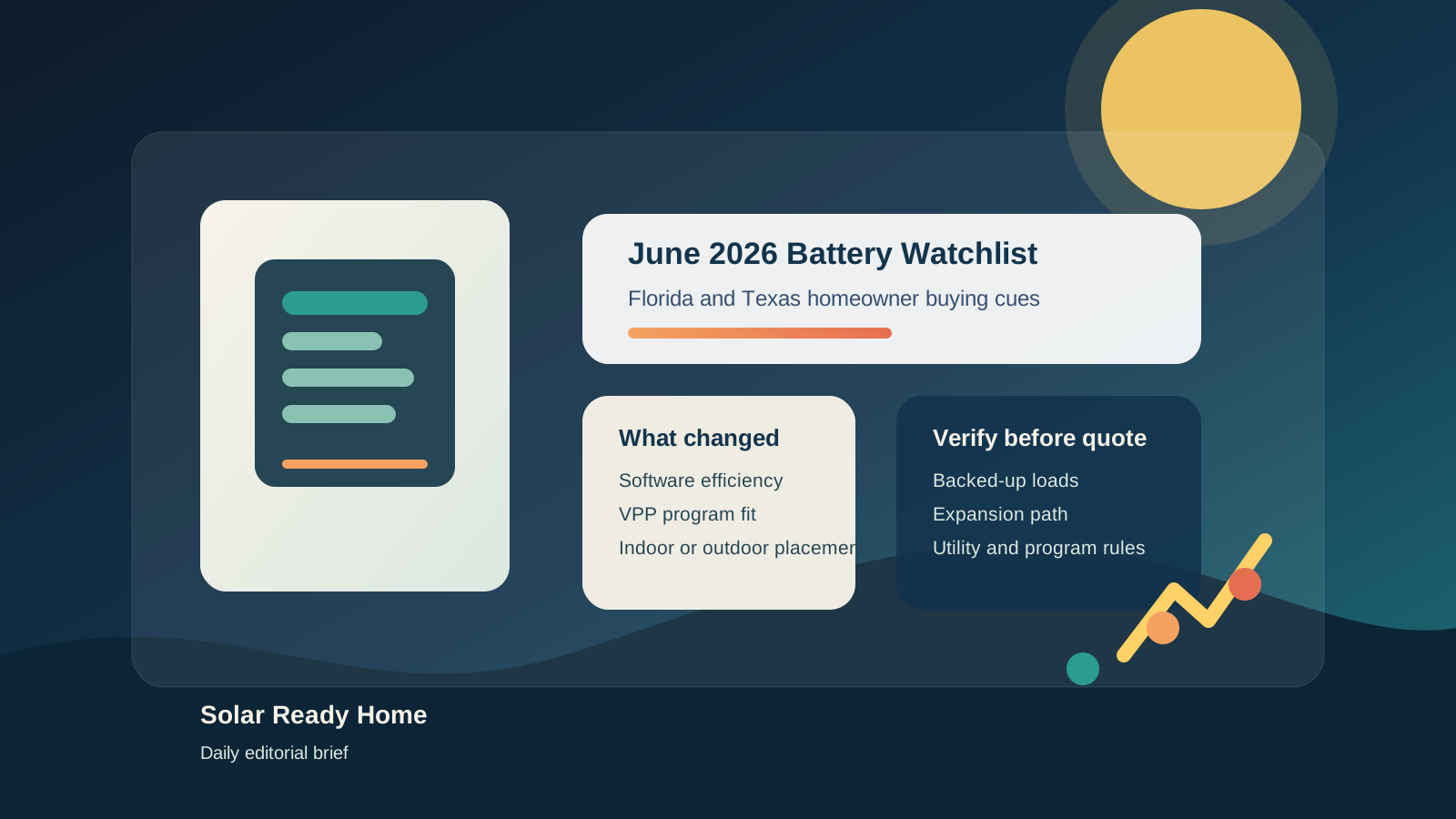
Battery brands are adding new features. Homeowners should still ask what the battery will power and who will fix it.
Read article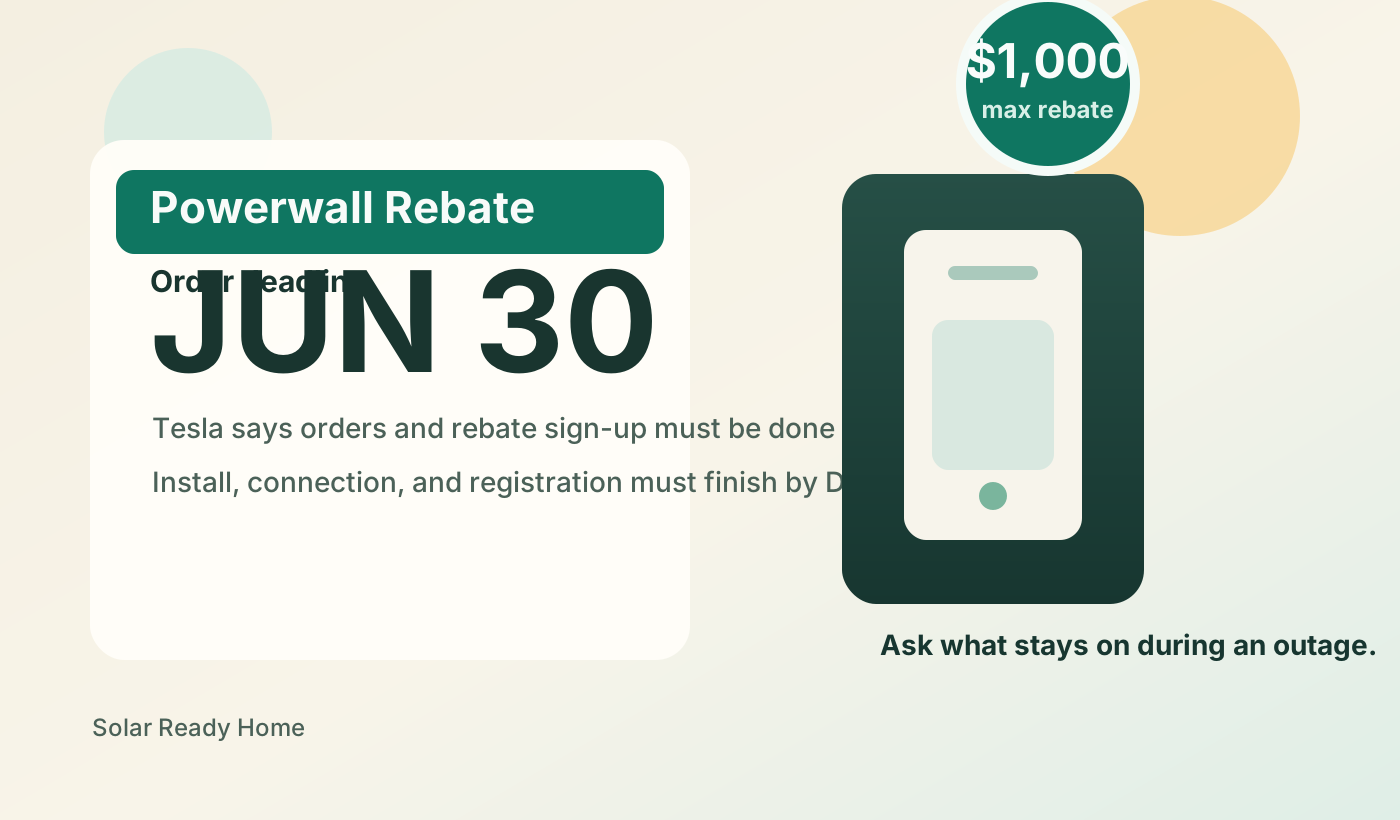
Tesla says some Powerwall 3 buyers can get up to $1,000 back, but the June 30 order deadline and the year-end install deadline both matter.
Read article
A battery can help during an outage, but only if the system is designed for the loads you care about most.
Read article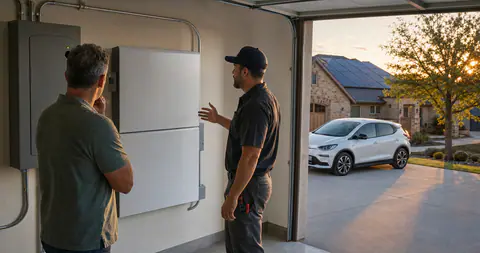
Austin Energy now offers a bigger home solar rebate and a battery program that can pay families for peak support. The useful question is not just how much money is on the table. It is whether the full system, backup plan, and utility rules still make sense for your house.
Read article
SolarEdge says its new Nexis setup is easier to size and faster to install. Families should ask what stays on, how much wall space it needs, and whether the simpler install really lowers the full quote.
Read article
A fresh FranklinWH and Eaton partnership shows why smart breaker control may stretch battery backup time. Families should ask which circuits stay on, what extra hardware costs, and whether the setup really fits their outage plan.
Read article
A new Palmetto battery plan shows how fast monthly battery deals are spreading to homes that already have solar. Families should check ownership, outage backup, transfer rules, and the real monthly math before they sign.
Read article
The federal homeowner tax credit is gone for new 2026 installs, but batteries are still growing. Families need to check local rebates, battery pay programs, and real backup value before they buy.
Read article
Sunrun says some solar-plus-battery homes may host small AI compute boxes for pay. Families should ask about noise, heat, service visits, and backup power before they agree.
Read article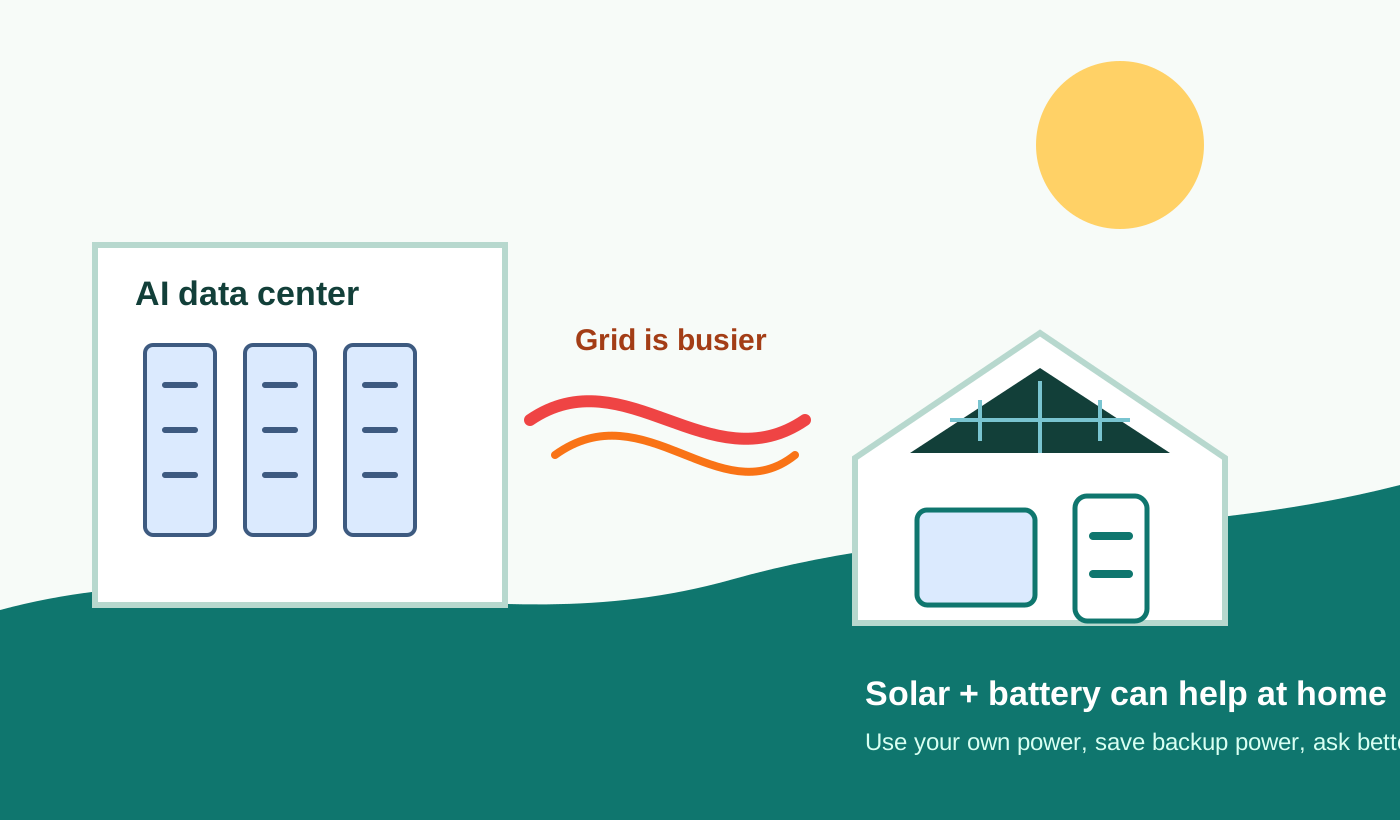
AI data centers are using more power. Homeowners cannot fix the whole grid, but solar and battery backup can help a home depend less on it.
Read article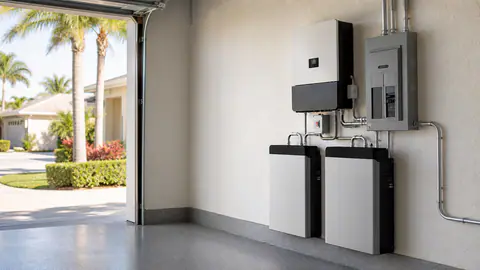
A battery is not just a box on the wall. It must work with your panels, inverter, app, panel board, and backup plan.
Read articleUse the quick check before you request solar quotes.
Check My Texas Solar Fit