Why this matters now
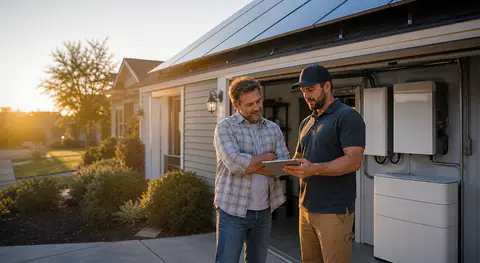
A new home battery pitch landed on July 9. Eaton said its AbleEdge smart breakers now work with the FranklinWH home battery system. In simple words, this adds more control over which parts of the house use power first. That matters because many families do not really want every circuit on in an outage. They want the fridge, some lights, internet, garage access, and maybe one cooling plan. If a system can pause bigger loads, the battery may last longer.
What a smart breaker does
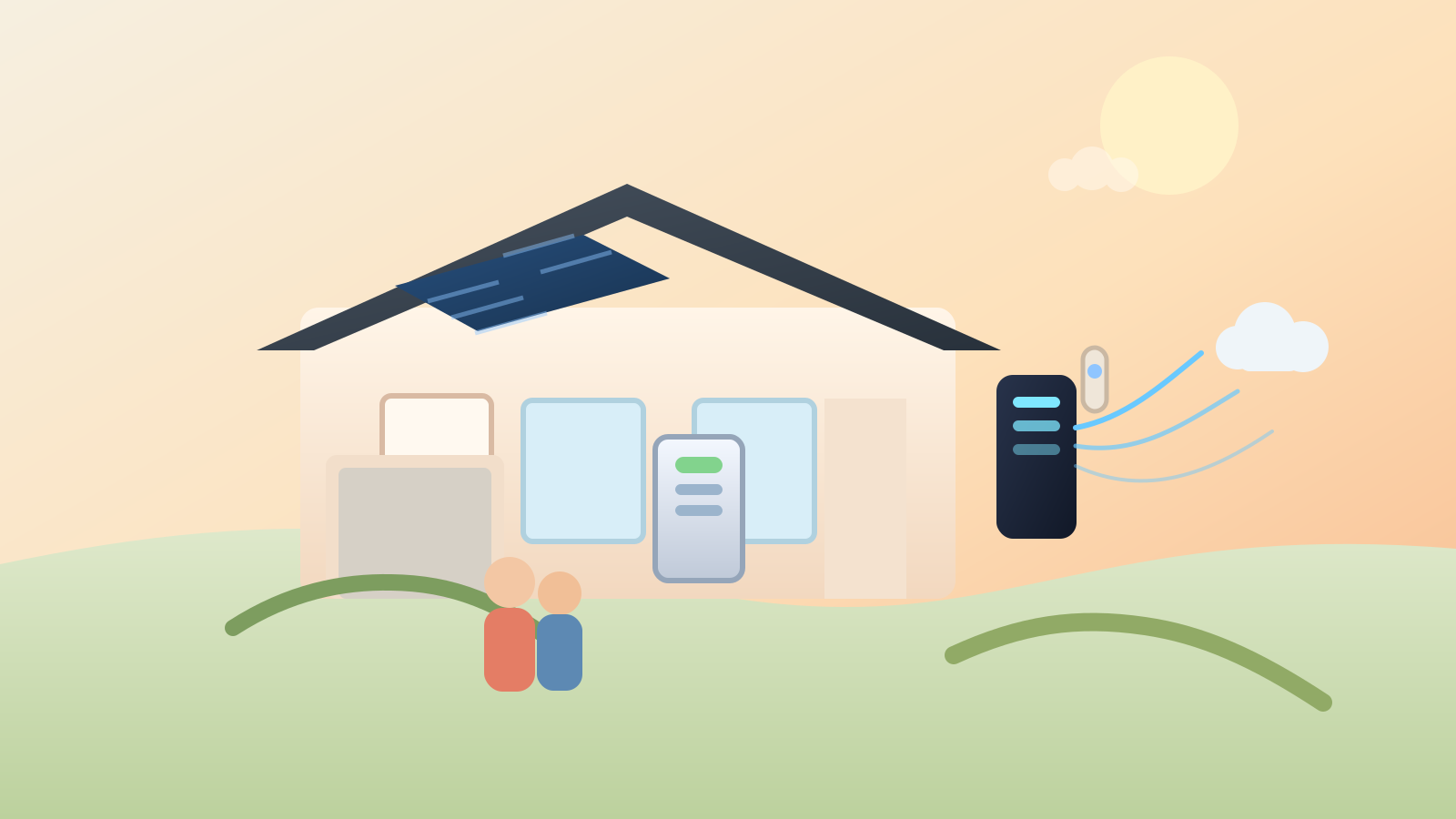
A smart breaker is a breaker that can be told when to turn a home circuit on, off, or lower its priority. Eaton says the new setup helps homeowners manage loads, extend backup time, and use one app with the FranklinWH system. pv magazine USA says the setup lets homeowners set priorities for which loads stay powered during an outage. That is the plain point. The battery size still matters, but smarter control may help the same battery cover more useful hours.
What stays on is the real homeowner question
FranklinWH's support pages explain that homes can be set up for whole-home backup or partial-home backup. In partial-home backup, only the chosen critical loads stay on when the grid goes down. FranklinWH lists examples like lights, refrigerators, routers, water heaters, and some larger equipment depending on the battery plan. This is why families should stop at one simple step before comparing brands. Write down what must stay on first. Then ask the installer to match the battery and panel plan to that list. A pretty app is not the same thing as a good outage plan.
Why this could matter in storm states and hot states
This idea is easy to understand in places like Florida and Texas. In storm season, many homes care more about backup time than about fancy features. In very hot places, air conditioning, pumps, and other large loads can empty a battery faster. Eaton says the new breaker setup can also support virtual power plant programs with participating utilities. A virtual power plant is a group of home devices that help the wider grid for short periods. That may be useful later, but the first homeowner test is simpler. Ask whether the smart controls help your house during the outages and peak-bill hours you really face.
Simple homeowner checklist
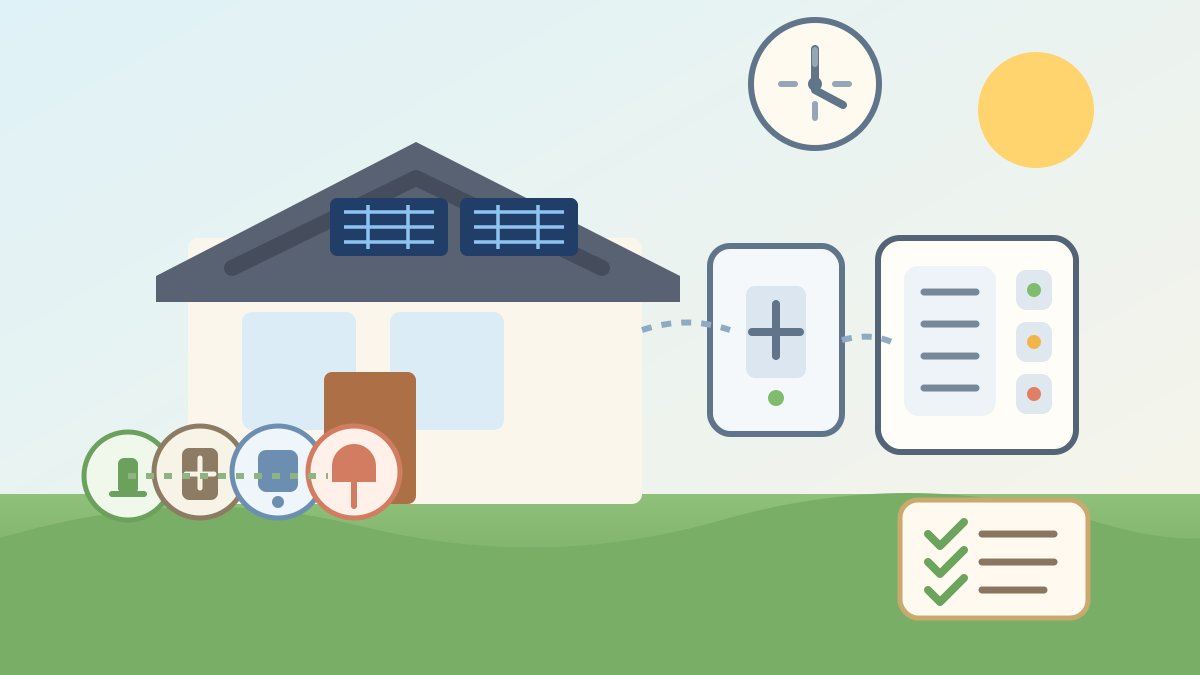
Ask for a written list of what stays on during an outage. Ask if the quote is for whole-home backup or only key circuits. Ask what extra breaker, panel, or meter hardware is included. Ask how many backup hours the installer expects for your fridge, lights, internet, and one cooling plan. Ask whether the system can still recharge from solar during a daytime outage. Ask who handles permits and utility approval. Ask if the smart controls are needed for a future utility or virtual power plant program in your area, or if they are only optional. If the seller cannot explain the upgrade in plain words, keep shopping.