What changed on July 8
Sunrun announced a new pilot on July 8, 2026. It wants to place small AI compute boxes in some homes that already have Sunrun solar and battery systems. Sunrun says the homes would help process AI inference work. AI inference means the part where a model answers a question or handles a task after it has already been trained. Sunrun says families who host the boxes would get paid. The company did not give a public dollar amount yet. That means homeowners should treat this as a real new offer, but not as easy money until the full terms are in writing.
What the box would do at home
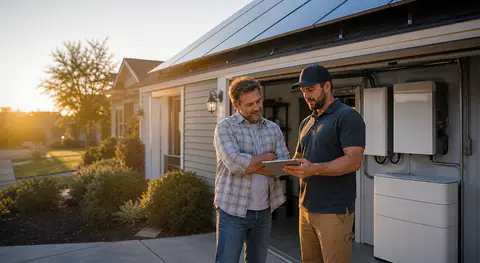
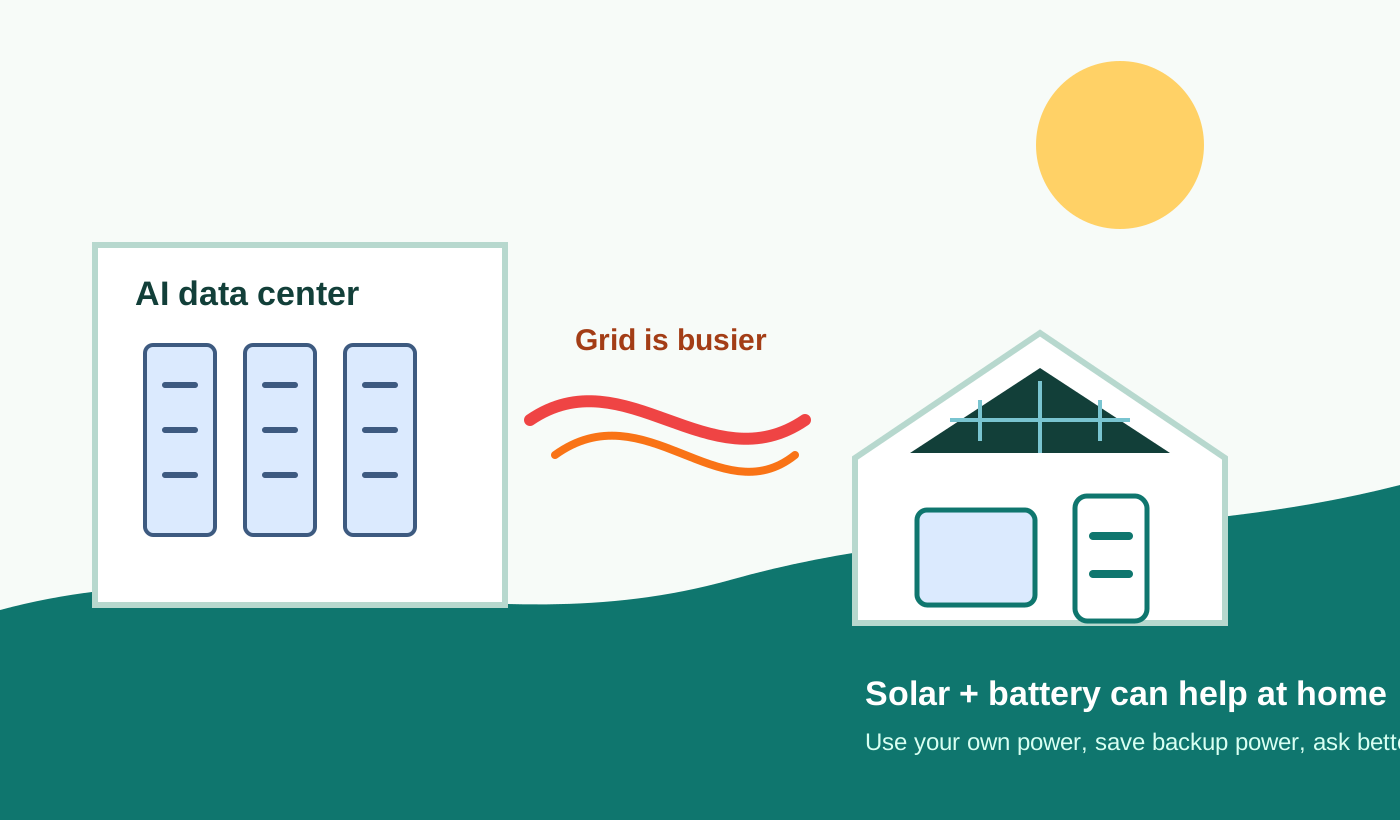
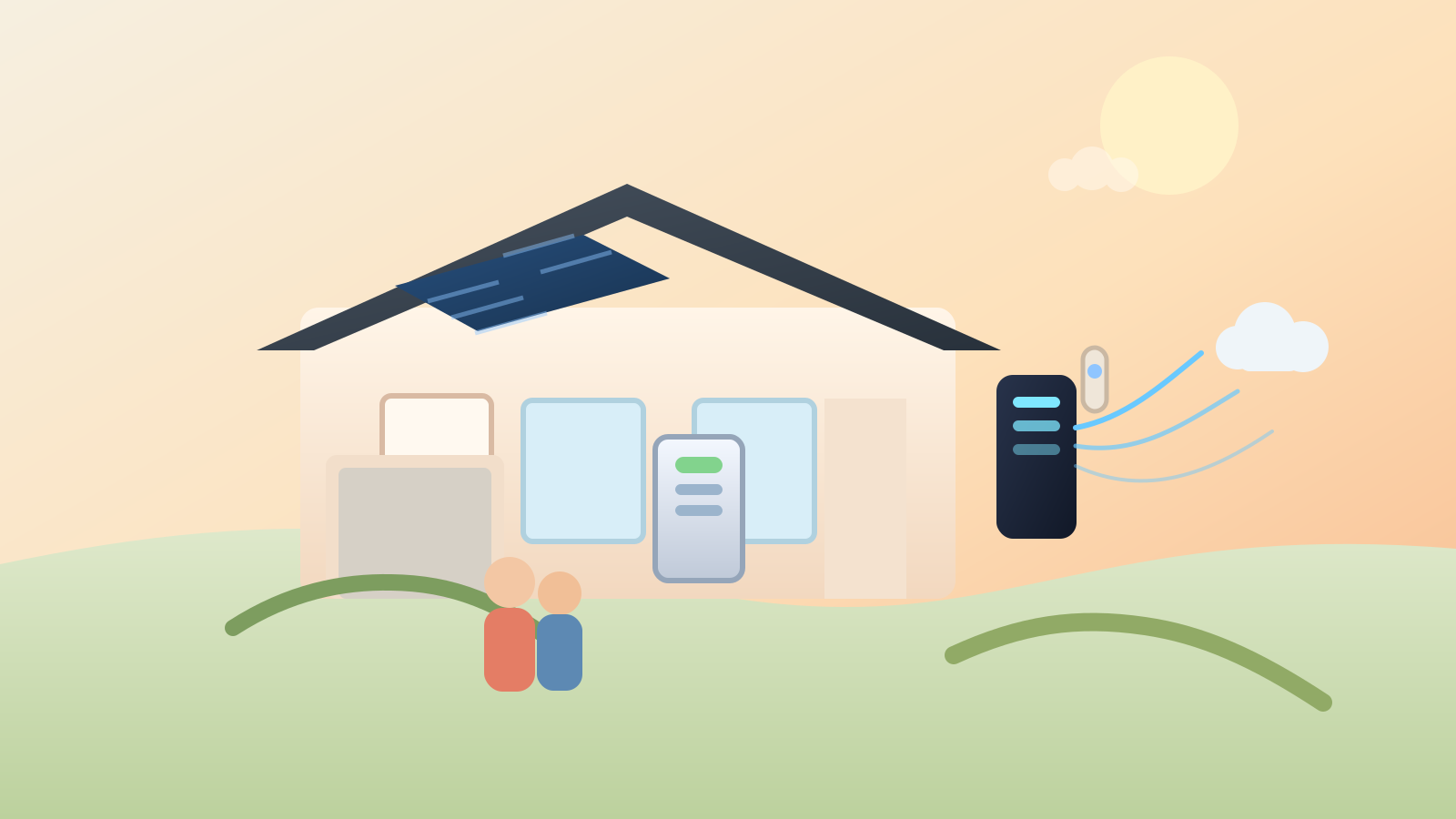
Sunrun says these compute nodes would sit behind the meter. That means on your side of the power bill meter, inside your home energy setup. The company says that can avoid the long wait for land, big power lines, and utility hookup work that normal data centers need. It also says the boxes would pair with the home's battery, so some work could keep running during certain grid outages. In plain words, the pilot is trying to turn a solar home into a very small local computer site. That is a different idea from normal rooftop solar, and it is also different from a battery that only helps the grid a few times each summer.
What families should ask first
Start with the simple home questions. Ask where the box sits. Ask if it makes fan noise. Ask how much heat it gives off in a garage or utility room in July. Ask who comes to your house if it needs service. Ask what happens if your internet goes down. Ask if the box keeps using power when your family wants to save every bit of battery for an outage. Ask what backup reserve stays protected for your house first. If the seller cannot answer those questions in plain words, the pilot is not ready for your home.
This is not a battery pay plan
Sunrun's June 24 deal with Tesla and Renew Home was about home batteries and smart devices helping the grid when big power demand rises. This new July 8 pilot is about compute work inside the home itself. The two ideas are linked by the AI power story, but they are not the same thing. One sends flexible energy help to the grid. The other tries to place small computing jobs close to where power already exists. A homeowner should ask if one home can be asked to do both. If yes, ask which job comes first when the battery is low, the weather is bad, or the power goes out.
Why this matters in states with fast growth
This story matters most in places already watching power demand closely. Virginia is still a key data center state. Texas, Florida, and California also have big summer power peaks and many homes looking at solar, batteries, or both. Sunrun says its wider home energy network can grow faster than a normal data center build. That may sound smart to utilities and AI companies. It can also mean more new offers reach homeowners fast. Fast offers need slow reading. Families should ask for the home rules, the payment rules, and the exit rules before saying yes.
Simple checklist before you agree
Ask for the host payment in dollars, not just a promise of value. Ask how many hours a day the box may run. Ask what power use comes from the box and what part Sunrun covers. Ask if the box changes your backup plan during outages. Ask if your battery warranty, home insurance, or HOA rules are affected. Ask how service visits work and who removes the box if you move. Ask for the full 2026 solar and battery math with no federal homeowner tax credit added back in. The IRS says the Residential Clean Energy Credit is not available for property placed in service after December 31, 2025. If the answers stay fuzzy, skip the pilot and keep shopping.