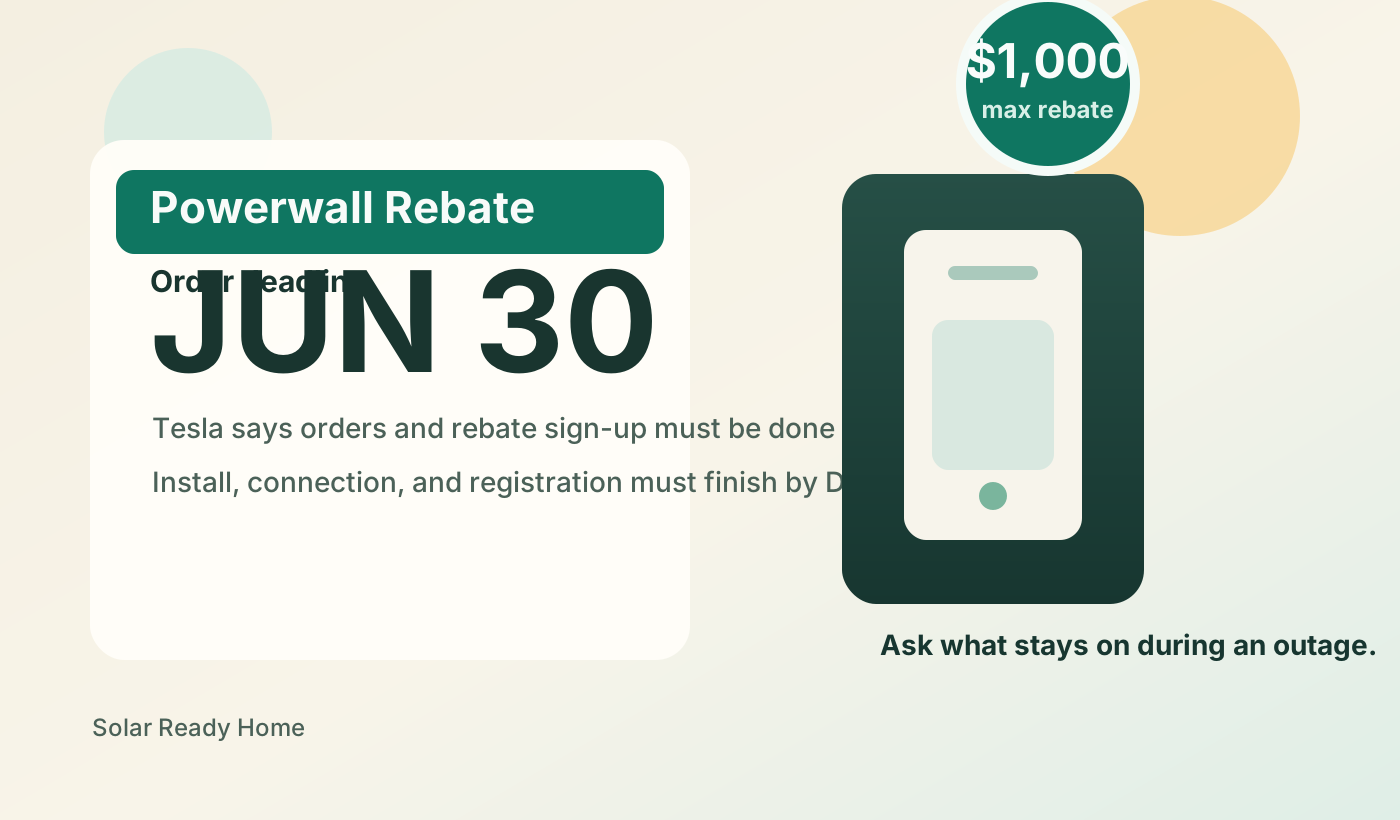
A battery is backup for chosen things
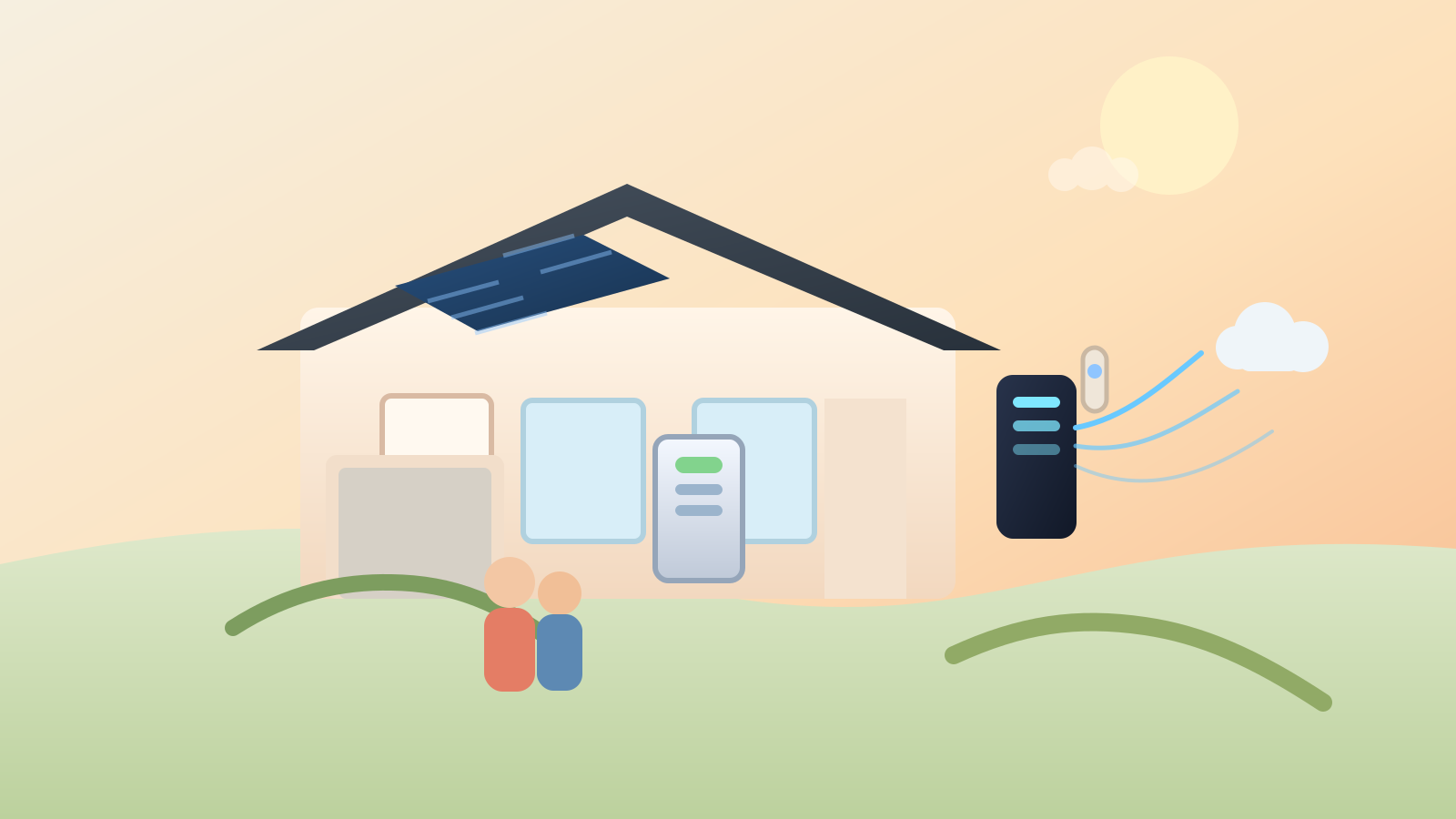
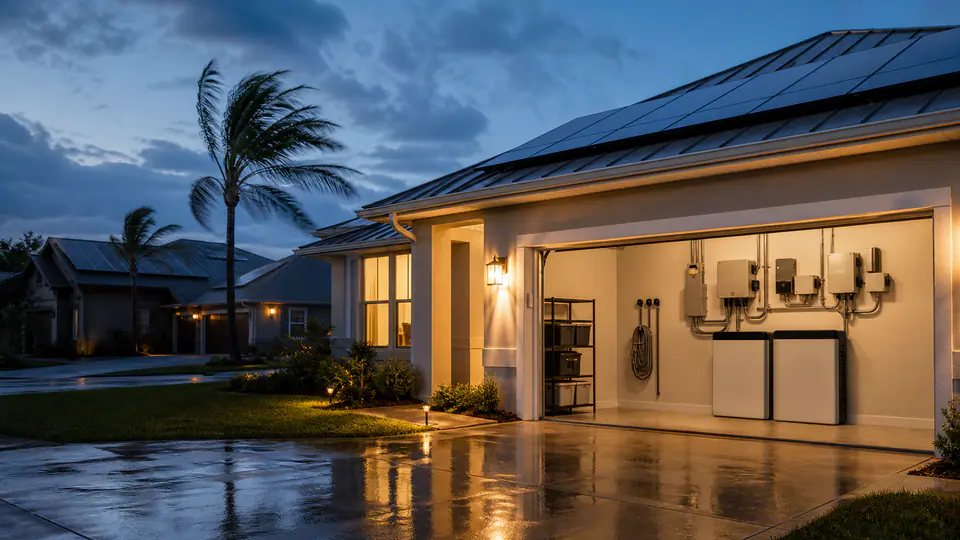
A battery is not magic. It stores a limited amount of power. That power should go to the things you care about most. For many homes, that means the refrigerator, lights, internet, fans, medical gear, and a few outlets. Whole-house backup with air conditioning needs more battery and a stronger setup.
Ask for a backed-up load list
The backed-up load list is the list of things that stay on. Ask for it in writing. Ask how many hours the battery may run those things. Ask what happens if it rains for two days. Ask if solar can charge the battery when the grid is down. These answers are more useful than a big battery number.
Storm settings can help
Some battery brands have storm settings. They can fill the battery before bad weather. That is useful. But it does not change the size of the battery. If you try to run too much, the battery will drain fast. A storm setting is a helpful tool, not a full plan.
DIY backup needs extra care
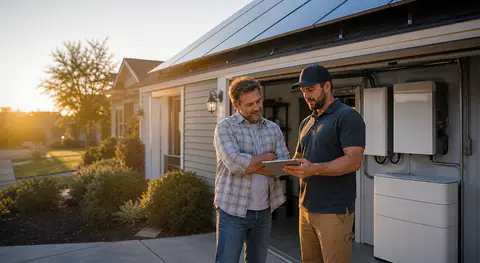
Small portable batteries can help with phones, internet, or lights. Grid-tied home batteries are different. They need safe wiring and the right transfer equipment. They also need permits and inspection. Use qualified help when the battery connects to your home wiring.
Before you buy
Write your must-have list. Ask for the battery size you can use, not just the total size. Ask for the power limit. Ask where the battery will sit. Ask who services it. Ask if the price includes all electrical work. A good backup plan should be simple enough to understand before the storm comes.
A simple way to plan
Walk around your home and make two lists. The first list is must-have items. The second list is nice-to-have items. Give both lists to the installer. This helps them design the backup panel and battery size. It also helps you avoid paying for backup that does not match your real needs.