What Texas said on June 10
Texas made this story more real on June 10, 2026. Gov. Greg Abbott told the Public Utility Commission of Texas and ERCOT to protect home power customers from data center growth costs. His office said data centers must pay for the electric work needed to serve them. The state also asked for more steps by July 17 and for action on home transmission costs by July 31. In plain words, Texas is saying families should not be the easy place to dump new grid bills.
What this does not do today
This order does not cut your bill this month. It does not make a bad solar quote good. It does not promise every future grid cost will miss your house. The letter is still a policy push. Rules still need to move through regulators. That is why homeowners should treat this as a warning sign, not a savings check. Big power demand is growing fast. EIA said in January 2026 that U.S. power demand is in its strongest four-year growth run since 2000, driven by large computing sites.
Why your real rate plan still matters
Texas homeowners already know one hard truth. Your savings depend on your real electric plan. The PUC's home solar page says the buyback rate is the price you get for extra power sent to the grid, and the rules depend on your provider type. That means a sales sheet cannot use made-up credits. Ask the installer which retail plan, buyback rate, monthly fee, and rollover rule are in the math. If the seller cannot name your plan, the payback guess is weak before the panels even go on the roof.
How solar and batteries fit this story
Solar will not solve Texas data center growth by itself. A battery will not stop every rate change either. But both can help one house depend less on the grid at the hottest and most costly times. Solar helps most when your home uses power while the sun is up. A battery can hold some of that power for later, or keep key things on in an outage. Keep the jobs separate. Ask for one case for bill savings and one case for backup power.
Simple checklist before you sign
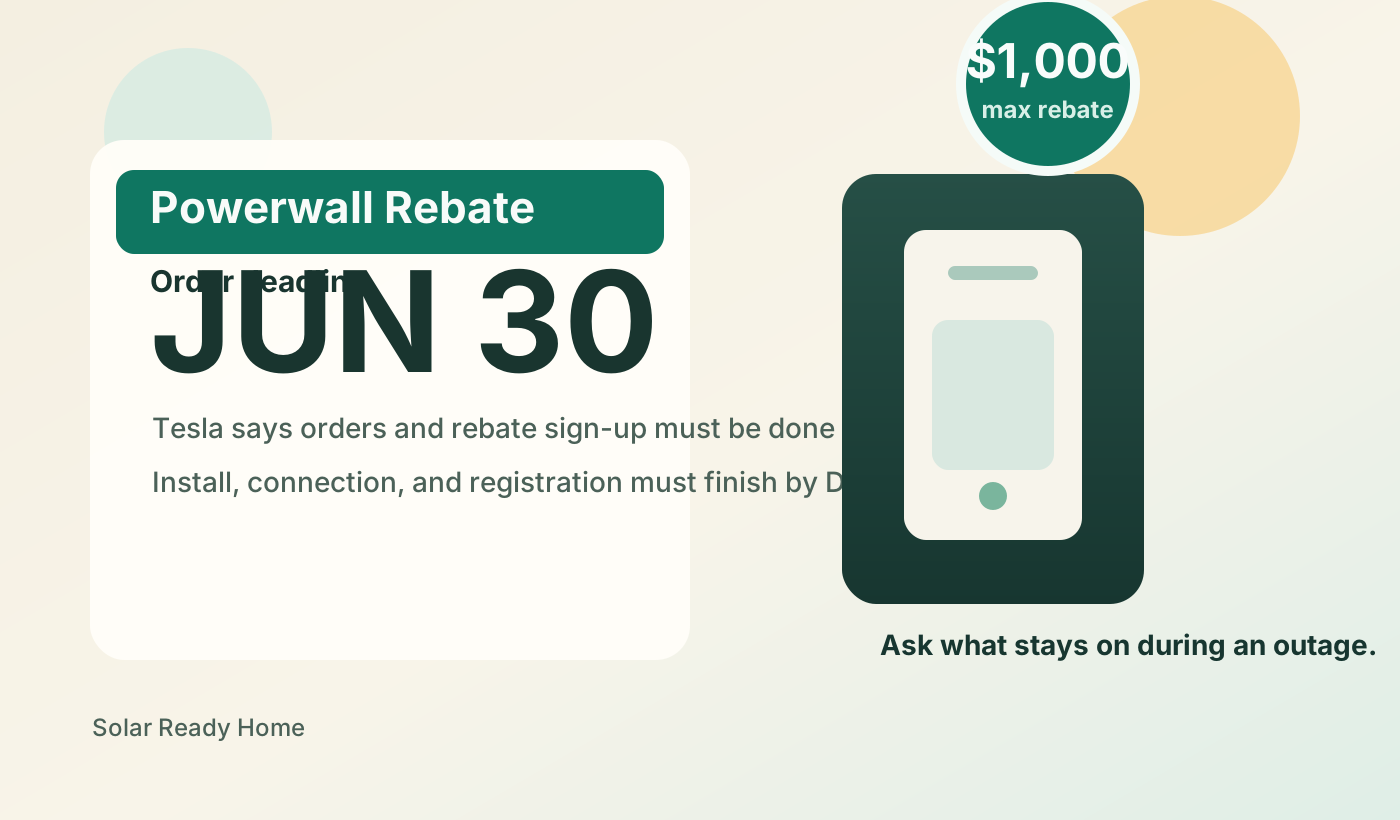
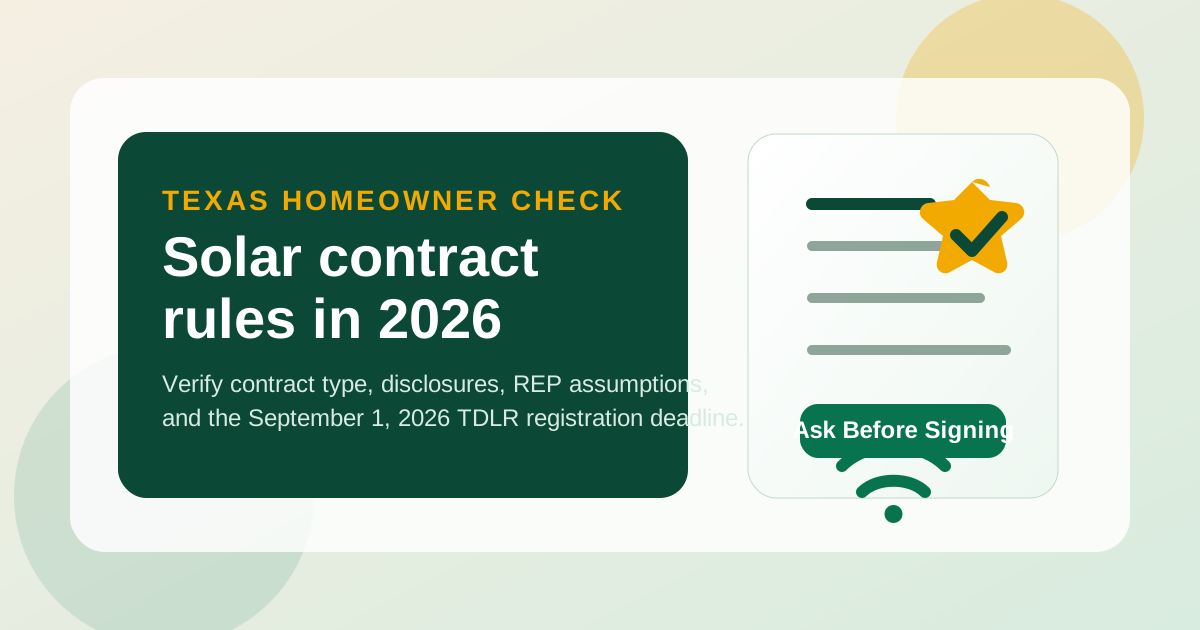
Pull your last twelve power bills. Ask what plan you are really on today. Ask what extra solar is worth on that exact plan. Ask if the quote assumes you will switch providers later. Ask what stays on during an outage and for how many hours. Ask who handles utility approval. Ask for the full 2026 cash price with no federal homeowner tax credit. The IRS says the Residential Clean Energy Credit is not available for property placed in service after December 31, 2025. Keep the math simple and easy to check. If the quote is still fuzzy after those questions, keep shopping.