Start with what you want to keep on
Before you pick a battery brand, decide what must stay on when the power goes out. A refrigerator, internet, lights, fans, and a few outlets are one kind of job. Whole-house backup with air conditioning is a much bigger job. Ask the installer to write the list down. If the quote does not say what the battery powers, the quote is not clear enough.
Battery size and battery strength are different
Battery size tells you how much energy is stored. Battery strength tells you how much can run at one time. Think of it like a water tank and a hose. A big tank with a small hose may not run everything at once. Ask about usable battery size, steady power, and starting power for big loads. These words should be explained in plain English.
The parts must match
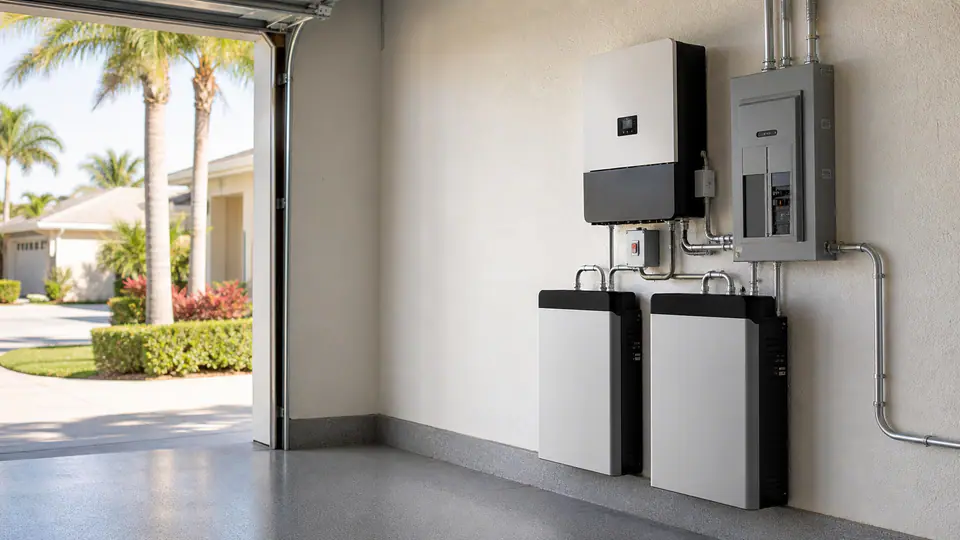
The battery, inverter, transfer switch, app, and electric panel must work together. A good installer should show that the exact model numbers are approved together. This matters more than a brand promise. A battery that does not match the rest of the system can cause delays, extra cost, or poor backup performance.
Florida and Texas homes need different answers
Florida homes may care most about storms and backup. Texas homes may care about buyback plans and evening power use. The same battery can be a smart choice for one house and a poor choice for another. Ask the installer why this battery fits your utility, your roof, your panel, and your family use.
Questions that cut through sales talk
Ask what the battery powers. Ask how many hours it may last. Ask if solar can charge it during an outage. Ask where it will be installed. Ask if you can add more later. Ask who fixes it. Ask what happens if the internet is down. Good answers should be clear enough that you can explain them to a friend.
How to make the brand choice easier
Pick the system that your installer can explain and service. A famous logo is not enough. Ask for pictures of similar jobs they have finished. Ask how long service calls take. Ask what parts are covered and what labor costs later. If two brands both work, the better local support may be the better choice.
Keep the quote simple
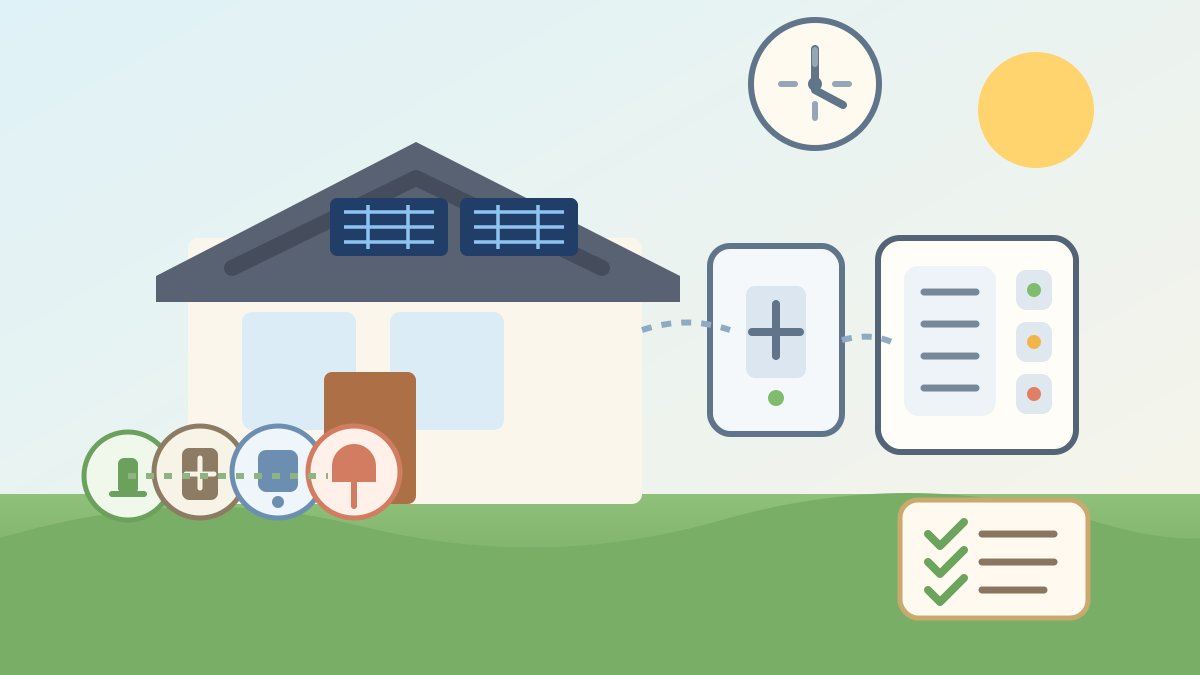
Ask the installer to draw the system in plain words. Panels make power. The inverter changes it for the home. The battery stores some of it. The backup box decides what stays on. If the drawing is easy to follow, you are closer to a good decision. If the installer cannot explain the parts, ask for another walk-through. You should not have to guess how your own backup system works. Clear beats clever every time.
Ask who owns the fix
If something stops working, you need one clear service path. Ask who comes to the home. Ask how fast they respond. Ask what is free under warranty and what costs money. This matters because a battery is part of your home, not just a gadget.