Why this Texas story matters now
Texas is talking more about grid strain again. ERCOT said on April 15, 2026 that its new long-term forecast projects about 367,790 megawatts of demand by 2032. Texas Tribune also reported on June 8, 2026 that at least 248 planned data center projects are adding to worry about higher bills and grid reliability. That does not mean your lights will fail tomorrow. It does mean more families are looking at solar and batteries as a way to keep more control at home.
What the battery money can look like
Tesla's current Texas incentives page shows three different battery pay paths. CoServ customers can earn up to $360 per Powerwall each year. GVEC customers can earn up to $862 per battery each year. Tesla Electric customers can earn up to $400 per home backup battery each year through a pilot with ERCOT. Tesla also says GVEC offers a sign-up incentive worth up to $5,922.50 for a qualifying new Powerwall. In plain words, some Texas homes may get paid twice. They may get money at install and later bill credits for helping the grid.
This is not free money for every home
These programs are not statewide for every address. Tesla says CoServ and GVEC programs depend on being in those utility areas. Tesla Electric also has eligibility rules. Tesla says owners need a valid interconnection agreement, the right service territory, and no conflicting demand response program. That utility approval is a big deal. Ask your installer who files the forms. Ask when the battery can join the program. Ask what happens if the utility or program says no after the install.
Backup power still comes first
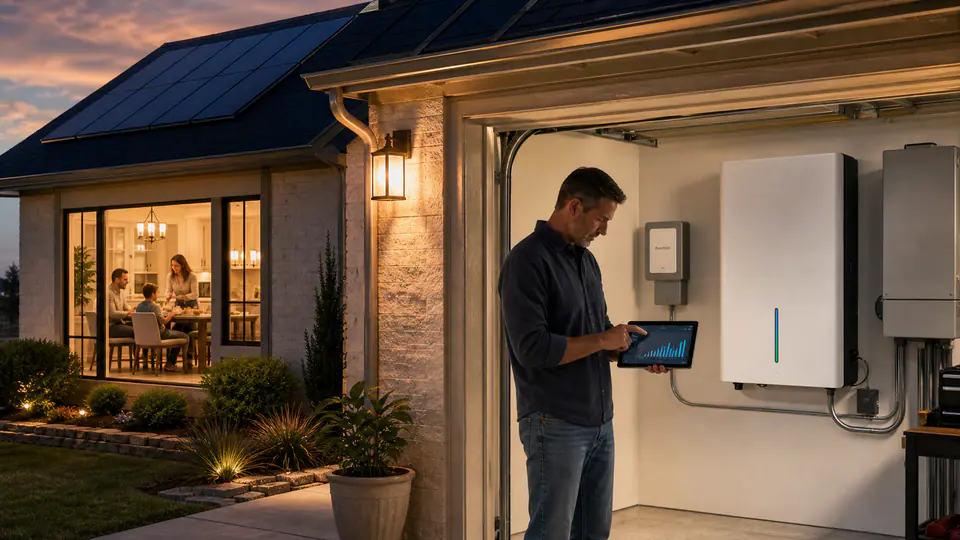
A virtual power plant is just a group of home batteries working together. Your battery may send some power out when the grid is stressed. Tesla says these programs still keep backup energy for your home. On the Tesla Electric page, the company says Powerwall will not dispatch below your Backup Reserve. On the GVEC page, Tesla says the program sets a 30% VPP Backup Reserve and Storm Watch can help hold extra charge during severe weather. CoServ says its VPP Backup Reserve is fixed at 20%. Ask what stays on during an outage. Get the fridge, lights, internet, and one cooling plan listed in writing.
Why the grid angle feels more real this month
This is more than sales talk from one battery brand. ERCOT says Texas is adding new load faster and in greater amounts than ever before. The Texas Tribune reported on June 10, 2026 that Gov. Greg Abbott wants new rules so everyday Texans are not stuck with costs tied to data center growth. For a homeowner, that is the real link. If the grid gets busier, a home battery may help in two ways. It may keep key things on at your house. It may also earn credits when the grid needs help.
Watch old tax-credit math in 2026
Do not let a sales sheet hide the real price. The IRS says the Residential Clean Energy Credit is not available for property placed in service after December 31, 2025. For a new 2026 home job, ask for the cash price with no federal homeowner tax credit. Then ask for the battery program money on a separate line. This makes it easier to compare one full-service installer with another. If the quote still uses an old 30% homeowner credit, ask for a corrected version before you sign.
Simple checklist before you sign
Ask if your exact address is in CoServ, GVEC, or an eligible Tesla Electric area. Ask if your battery brand and model qualify. Ask who handles interconnection and utility approval. Ask how much charge stays saved for outages. Ask how the bill credits are paid and when they start. Ask for the full installed price with no old federal homeowner tax credit. If the installer cannot answer those simple questions in plain words, keep shopping.