Why this matters now
North Carolina is in a live fight over future power bills. Duke Energy still wants a large home rate increase in North Carolina. At the same time, regulators and consumer groups want very large power users to carry more of their own cost. That matters because data centers are growing fast in the state. If the rules are weak, families may help pay for grid work built for someone else.
What Duke asked for
Duke said in its North Carolina filing that a typical Duke Energy Carolinas home using 1,000 kilowatt-hours a month could see bills rise by about 11.6 percent over two years. The company says it needs new spending for reliability and growth. That growth includes very large new power users. In plain words, Duke is asking for more money now. The state is still deciding how much of the future buildout should land on homes and how much should land on data centers.
What regulators are pushing back on
The North Carolina Utilities Commission has been hearing expert testimony this month in Duke's rate case. Trade and news coverage says regulators and advocates are questioning Duke's math and its treatment of data centers. Duke has now proposed a large-load tariff. That means some very large customers would have to pay a minimum bill for a set number of years. The fight is over how strong that protection really is. Consumer advocates want tougher rules. They do not want homes stuck paying for oversized grid projects if big loads come late or use less power than promised.
Why this is different from an old rate case story
This is not just another utility asking for more money. The fresh part is the direct link between AI-style data center growth and who pays for the wires, substations, and power plants that follow. Canary Media reported that Duke recently raised its 2035 forecast for large customers in the Carolinas by another 2 gigawatts. Utility Dive reported this month that North Carolina regulators kept pressing Duke's numbers after the company reduced its request. In plain words, the state is still deciding whether households get real protection before those big-load bets turn into bills.
What homeowners can do with this now
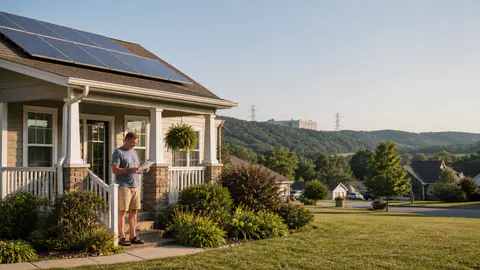
Most families cannot change a state rate case by themselves. But they can get ready for what higher fixed and delivery costs may do to future bills. This is one reason home solar, careful load timing, and backup batteries keep coming up together. A battery does not erase the utility bill. Solar does not erase every fixed charge. But using more of your own power at home can matter more when grid costs rise. If you are shopping now, ask the installer to show your savings with today's real Duke bill rules. Do not accept guessed future credits or old federal homeowner tax credit claims.
Simple homeowner checklist
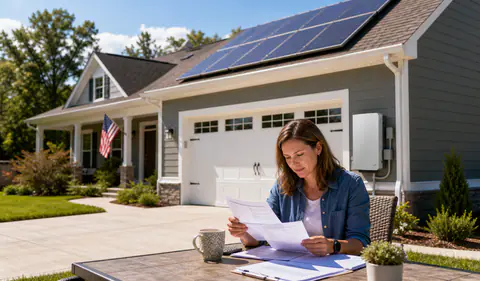
Ask what part of your current Duke bill is energy use and what part is delivery or fixed charges. Ask any solar seller to model your quote with your real utility bill. Do not accept a made-up future rate. Ask if the battery pitch is for outage backup, lower evening buying, or both. Ask what stays on during an outage and for how many hours. Ask if the quote assumes any new 2026 homeowner federal tax credit for a cash purchase. Ask whether North Carolina rate changes could make self-use of solar power more valuable than export credits alone. If the seller cannot explain that in short plain words, keep shopping.