Florida solar starts with the utility
A solar quote should name your utility. It should show how extra solar power is credited on your bill. This is often called net metering. In simple words, it means your extra solar can help lower the bill. The details still matter. Ask for the rule used in your quote.
Tax help is not the same as cash in hand
Florida may have helpful sales tax and property tax rules for solar equipment. That can help the total cost. But do not guess. Ask the installer to show the rule. Ask your tax professional if you are unsure. A good quote should separate tax savings from monthly bill savings.
Storm backup needs a battery plan
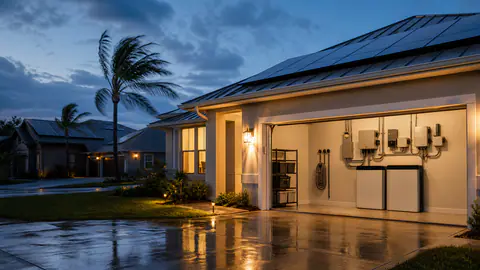
Solar panels alone usually do not keep your home on during an outage. A battery and backup setup are needed for that. Ask what stays on. Ask how long it may run. Ask if the battery can charge from solar when the grid is down. This is the difference between bill savings and storm backup.
Your roof matters
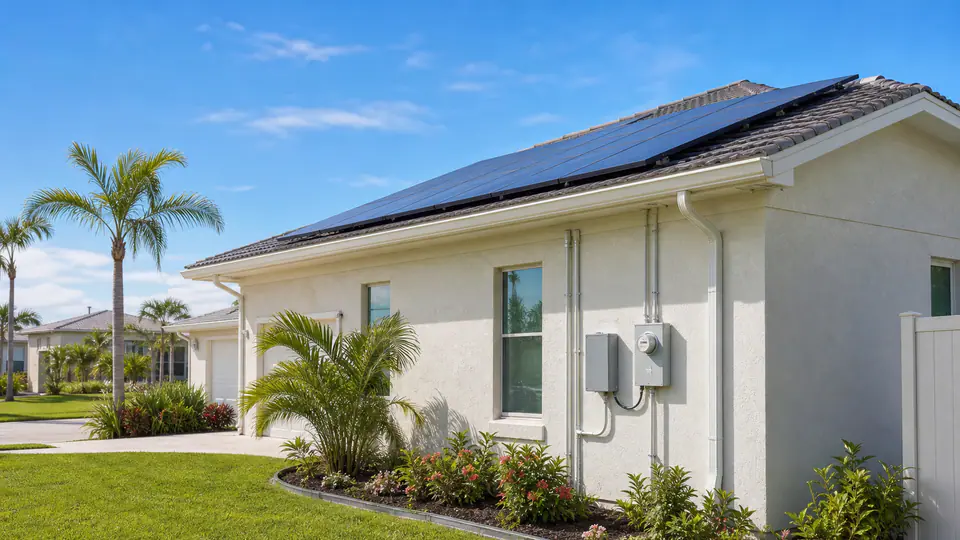
If your roof is old, fix that question first. Removing panels later to replace a roof can cost money. Ask how old the roof is, how much shade it has, and who is responsible if a roof leak happens after installation. These questions are just as important as panel brand.
Before you sign
Get your last twelve bills. Ask for the utility rule. Ask for the cash price and loan price. Ask for the battery plan if you want backup. Ask for the price with no federal homeowner tax credit for a new 2026 project. Then compare quotes side by side.
Keep the savings simple
Ask for the first-year savings, not just lifetime savings. Ask what your bill may look like after solar. Ask what fees remain. Ask what happens in cloudy months. This helps you see the real value. It also helps you compare two quotes without getting lost or rushed today.