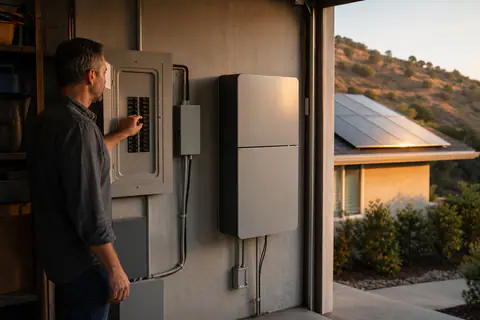
Piedmont, California added rebates for solar with a battery, a battery by itself, and electrical-panel work. The new city offer can lower a project price, but funds are limited and homeowners must meet a permit-based application deadline.
Riverside Public Utilities approved a $5 million home-battery rebate program. A typical eligible home may receive $500 for each unit of battery storage, up to $10,000. Qualifying SHARE households may receive more, but the program requires a time-of-use rate, so families should compare the full bill before they buy.
California moved its residential electric Climate Credit to August and September for 2026. It is automatic help on the power bill, not a solar payment or a battery rebate. PG&E, SCE, and SDG&E solar homes should check for the credit, then read the rest of the bill before deciding that a system changed their savings.
PG&E now says its 2026 Reliability Battery Initiative is full and is not taking new applications. Earlier applicants should use official PG&E and Resource Innovations contacts, ask what stays on during an outage, and wait for utility approval before using a new battery.
Sacramento Municipal Utility District raised its payment for extra solar sent to the grid to 9.6 cents per kilowatt-hour on June 1. That helps, but it does not mean sending power away is always the best move. The right plan still depends on when your home needs power, the evening price, and whether a battery fits your budget.
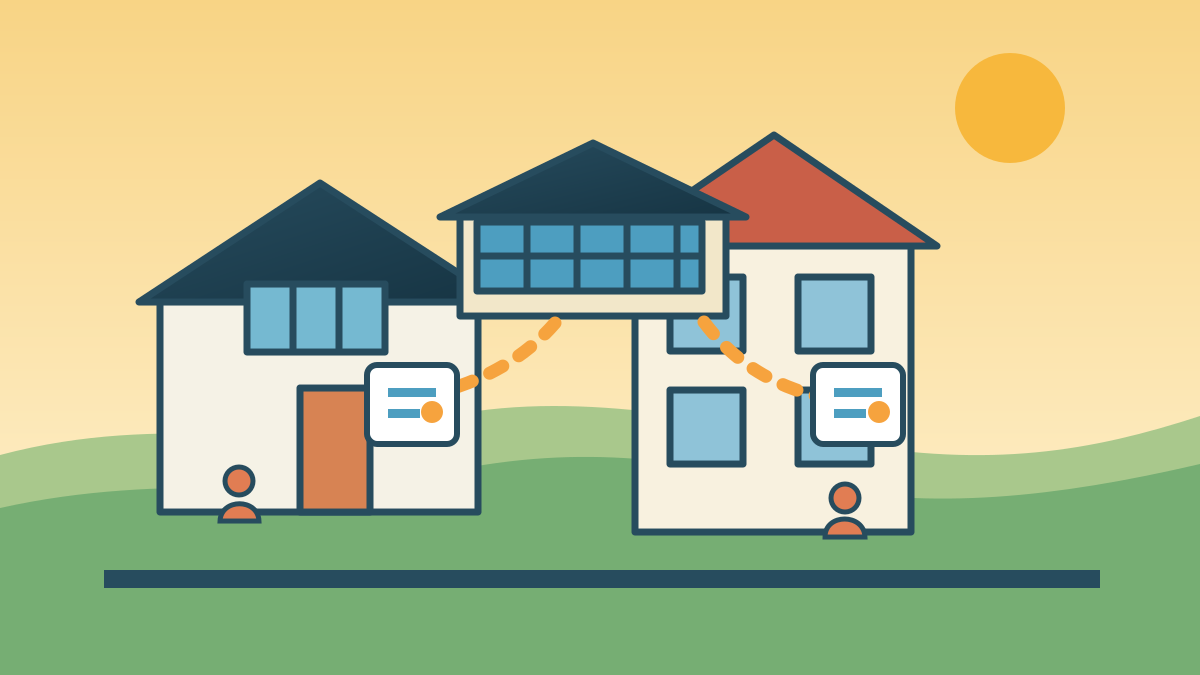
California has finished key rules for a new shared-solar program. It may give some renters and homeowners a way to get a power-bill credit without putting panels on their own roof, but families should check who can join and what the credit really covers.
California has a live bill that could make small plug-in solar easier for renters and other homes shut out of rooftop solar. Families should ask what the bill really changes, what size limits still apply, and what this small solar setup cannot do.
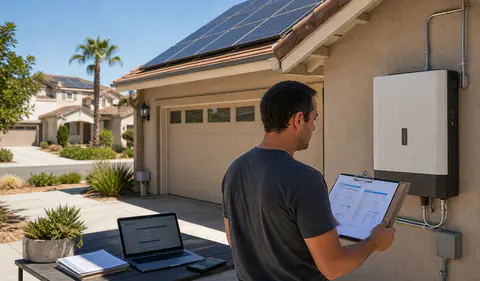
SolarEdge says its new Nexis setup is easier to size and faster to install. Families should ask what stays on, how much wall space it needs, and whether the simpler install really lowers the full quote.
The federal homeowner tax credit is gone for new 2026 installs, but batteries are still growing. Families need to check local rebates, battery pay programs, and real backup value before they buy.
Sunrun says some solar-plus-battery homes may host small AI compute boxes for pay. Families should ask about noise, heat, service visits, and backup power before they agree.
California solar homes now pay a base charge each month, so the real job is using more of your own solar power at home and not expecting exports alone to wipe out the bill.
Ava says some California homes can get battery money up front and then quarterly pay, but your service area, battery brand, backup reserve, and contract math still decide if it fits your house.