Why this matters now
PG&E now says its free Reliability Battery Initiative is full for 2026 and is not taking new applications. The offer was not a broad free-battery sign-up. It was for selected homes on power lines with more outage trouble than normal. If you applied earlier, use the official PG&E page or the Resource Innovations contact to check your status. If you did not apply before the program filled, do not pay a door-to-door seller who says they can get you in. Do not assume there is a waitlist or a new round unless PG&E says so in writing.
It is for outage-prone homes
The program gives eligible homes a permanent battery at no cost. PG&E says the battery size is usually 10 to 15 kilowatt-hours. A kilowatt-hour is a simple way to count stored power. This size can keep a few key things on for about three to five hours. The time changes with what you use. A refrigerator, lights, internet gear, and a phone charger use less power than central air conditioning. This is not a promise that the whole house will run. Ask which outlets and appliances will stay on when the grid is down.
Solar can help, but is not required
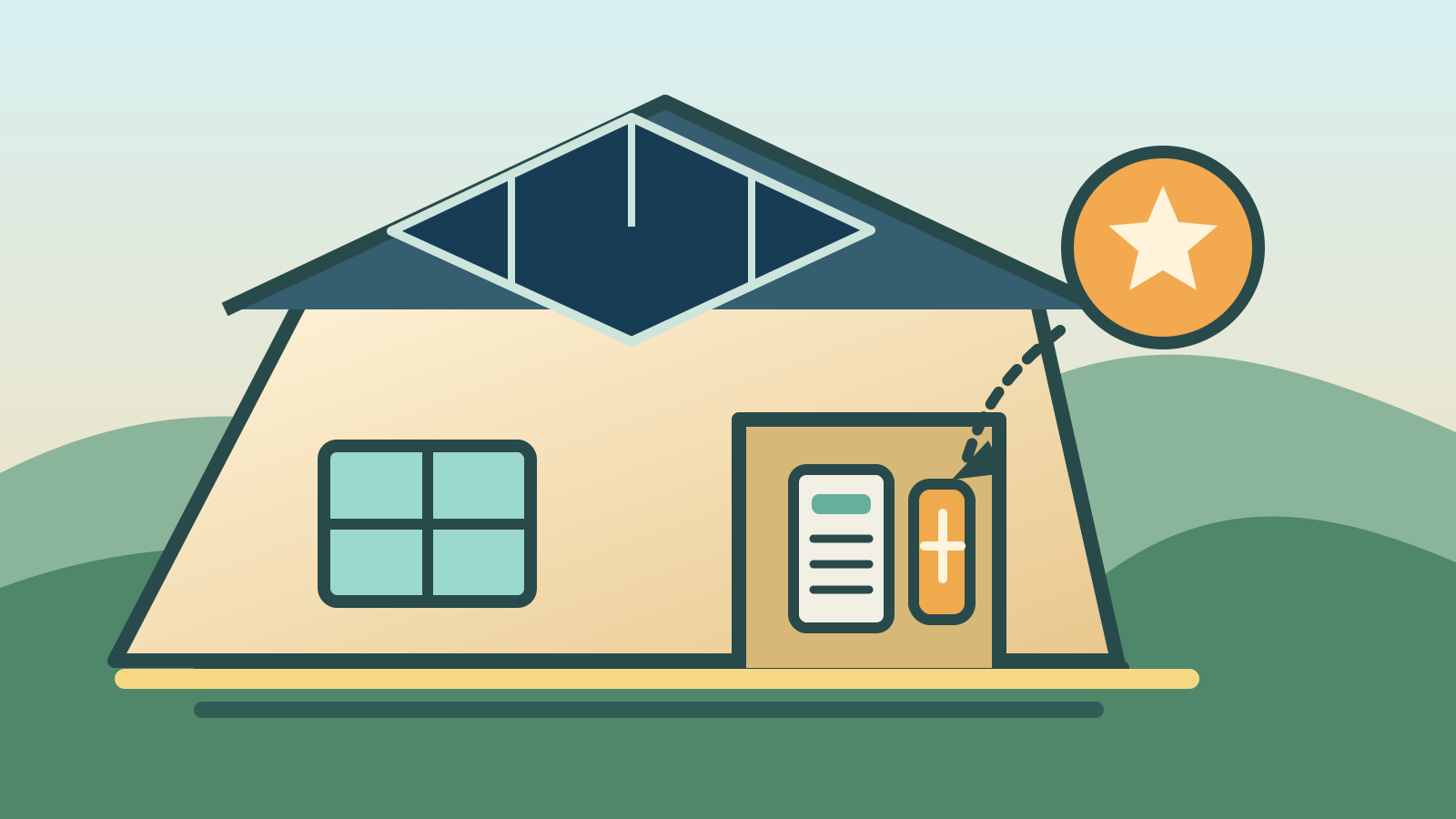
A home can get this battery even without solar panels. The battery can charge from the grid before an outage. If you already have solar, tell the program team during the home check. They need to see how your current system works. Solar panels alone usually shut off during an outage for worker safety. A battery with the right controls can help keep selected home circuits on. Do not guess that your old solar system and a new battery will work together without changes. Ask the installer to explain the plan in plain words.
Free still needs site work
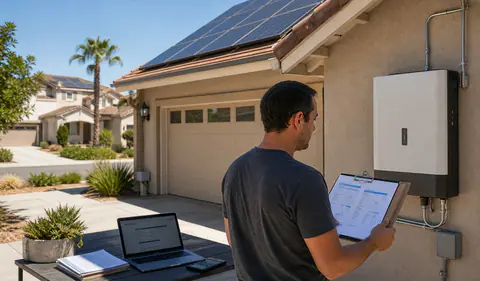
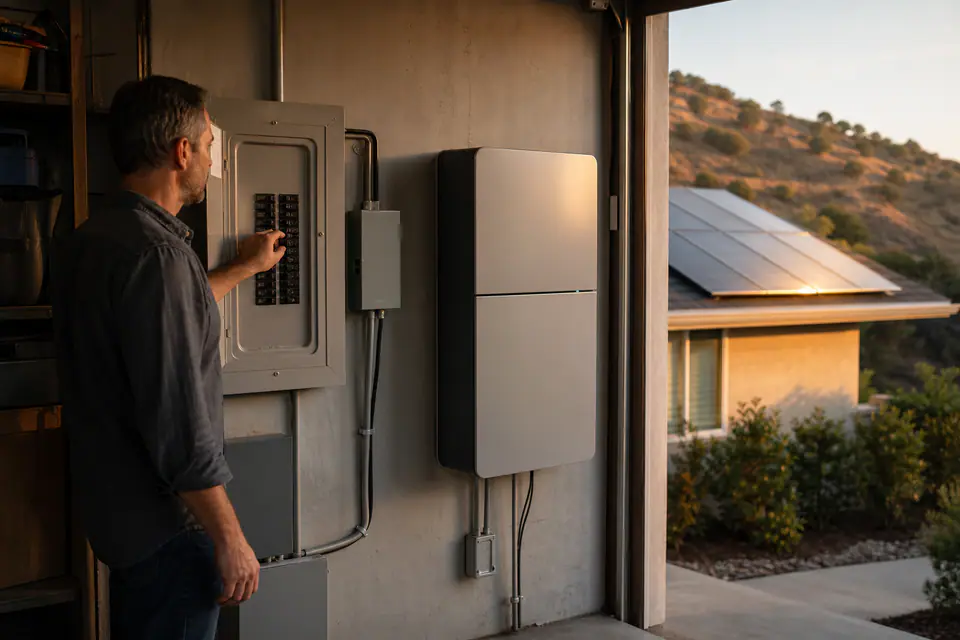
No-cost does not mean no work at your house. Resource Innovations, the program manager, checks the site first. The team looks at your electrical panel and decides which essential circuits can be backed up. An electrician may need to do panel work. PG&E says permits, utility review, and permission to operate are part of the job. Permission to operate means the power company has checked the system and says it may connect. Do not use the battery before that approval. The work can take weeks, so make an outage plan now instead of waiting for installation day.
Keep other offers separate
California has other battery help, including separate rebate programs. They are not the same as this PG&E offer. The PG&E permanent battery rebate application says a home that already used the Reliability Battery Initiative is not eligible for that rebate. Do not let anyone stack two programs on a quote without written proof. Ask who pays each discount. Ask if you own the battery after installation. Ask about the warranty and any rules for sharing battery power with the grid. Avoid old sales claims about a federal homeowner tax credit for new 2026 projects. Check current official rules before counting any tax savings.
Simple homeowner checklist
If you applied before the program filled, use the official PG&E or Resource Innovations contact to check your status. Do not use a seller's flyer. Ask which circuits will stay on during an outage. Ask how long they may run with your normal use. Tell the team about existing solar. Ask if your panel needs work, who gets permits, and when utility approval should arrive. Ask who owns the battery and what the warranty covers. Keep every promise in writing. If you did not apply, look at other official local programs instead of paying someone to promise a spot in a full program.