What Piedmont added
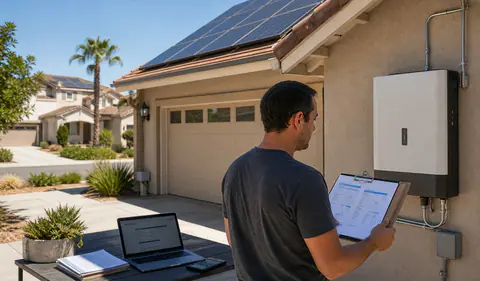
Piedmont restarted its home electrification rebate program with new choices. A home that installs solar and a battery together may receive a city rebate. A home that adds only a battery may also qualify. The city now also pays toward some main electrical-panel upgrades and smart panels. A main panel is the box that sends power to parts of your home. This matters because an older panel can be the step that slows down a solar, battery, or electric-home project. The rebate does not make every project free. It is cash help after the city rules are met.
The city amounts are different
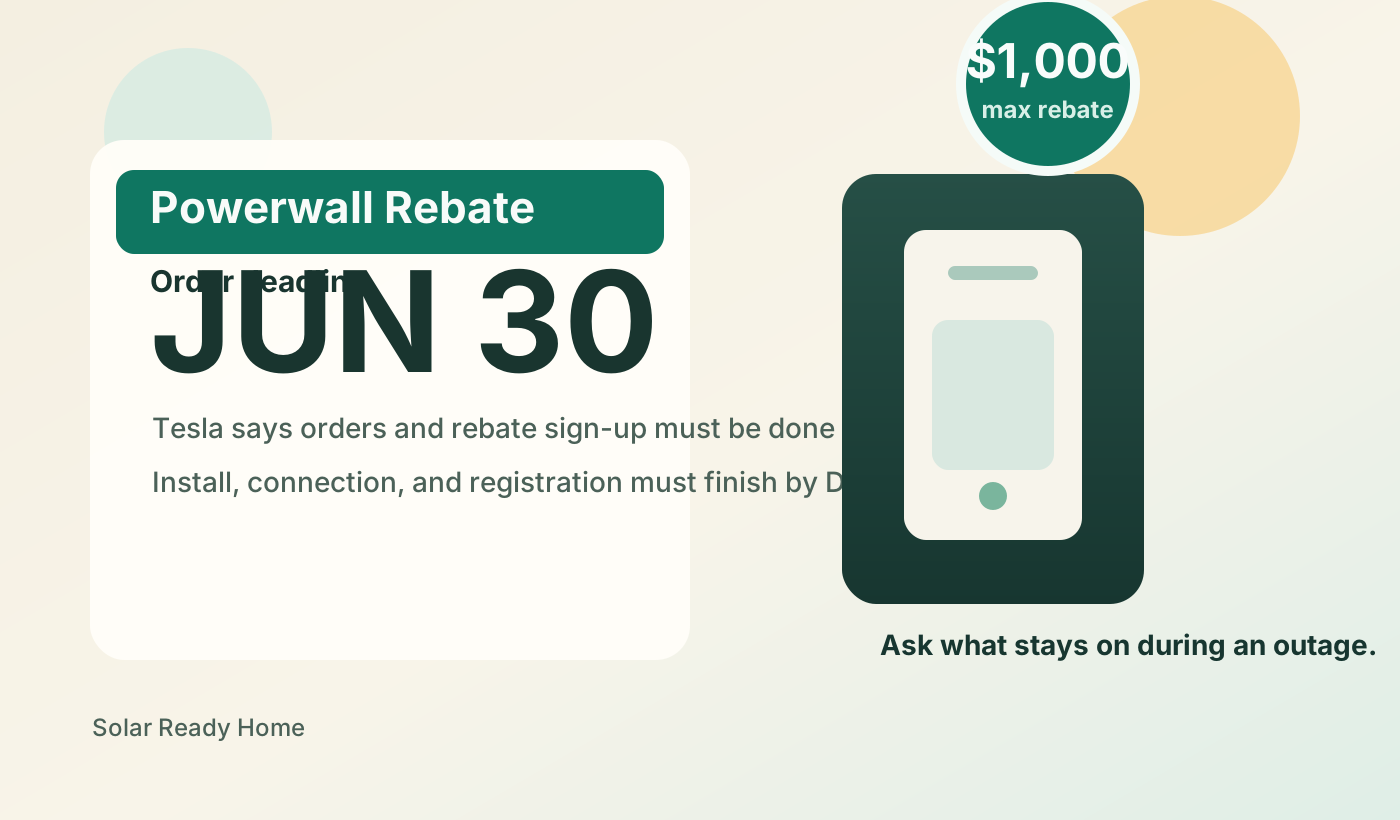
Piedmont lists a standard $2,000 rebate for solar and a battery installed together. It lists $1,000 for a battery-only project. Moderate-income and low-income households may qualify for larger amounts. The city lists up to $5,000 for a qualifying solar-and-battery project and up to $2,500 for a qualifying battery-only project. A panel improvement can also have its own rebate. Keep each number on its own line when you compare quotes. Do not let a seller mix city money, utility bill savings, and future battery-program pay into one big number.
The permit starts the clock
The new rule has an important time limit. Piedmont says homeowners must apply within four months of the permit issue date. That is easy to miss when a project has roof work, electric work, inspections, and power-company forms. The city also says funds are first come, first served. Applying does not reserve money or guarantee payment. Before work starts, ask your installer which permit date will be used, who will give you the permit copy, and who will prepare the rebate paperwork. Put the city deadline on your calendar.
Fast permits are not the final switch-on
Piedmont has online permit paths for solar only, solar plus a battery, and battery-only work. Some simple projects may receive fast approval. That does not mean the system can turn on right away. The city still needs the right plans, and the utility still has its own safety review for a system that connects to the grid. This is called interconnection. The California solar guide says customers should get written approval before a new grid-connected system begins working. Ask for the order in plain words: permit, install, inspection, utility approval, then turn-on.
Make the panel plan match the backup plan
A battery is not always whole-home backup. Your panel and backup equipment decide what can stay on when the grid is out. A smaller plan may cover a fridge, lights, internet, and a few outlets. A bigger plan may cost more and still need panel changes. Tell the installer about electric heat, air conditioning, a pool pump, medical gear, and an EV charger. Ask for a written list of what stays on during an outage. Then ask whether the panel rebate is in the quote because the work is truly needed, not just because a rebate exists.
Simple homeowner checklist
First, confirm that your address is in Piedmont and that the city program is still funded. Ask whether your project is solar plus battery, battery only, or a panel upgrade. Get the rebate amount for your income tier in writing. Ask for the permit issue date and put the four-month application deadline on your calendar. Ask who files the city rebate form and who handles utility approval. Get one quote with solar only and one with solar plus battery. Ask what stays on during an outage. For a new 2026 project, ask for the full price with no old federal homeowner tax credit added.
Sources
- City of Piedmont home electrification rebate amounts, new categories, funding, and permit-based deadline
- City of Piedmont solar, solar-plus-battery, and battery-only permit paths
- California Public Utilities Commission consumer guidance on solar, battery storage, and written utility approval
- California Energy Commission explanation of equipment lists used in some local permit and utility connection processes