California solar is about timing
California solar is not just about how many panels fit on the roof. It is also about when the power is used. Many homes make the most solar power in the middle of the day. But families often use a lot of power in the evening. That is when cooking, cooling, laundry, and car charging may happen. Under California's current solar billing rules, extra daytime solar may not be worth as much as power used at home. This is why battery timing matters.
A battery is not just for blackouts
Many people think a battery is only for an outage. In California, a battery can also help with the bill. It can save extra solar during the day and use it later. It may help the home buy less grid power when prices are higher. But this only works if the battery is set up the right way. Ask the installer what the battery will do on a normal day. Also ask what it will do when a storm or outage is possible.
Ask for the battery schedule
A quote should show a simple battery schedule. When does the battery charge? When does it power the house? How much battery is saved for backup? Can you change the settings in the app? What happens if the internet is down? These answers matter more than a shiny brand name. A battery that is not set up well can cost a lot and still miss the main goal.
The brand should fit the plan
Tesla, Enphase, SolarEdge, FranklinWH, and other brands can all be good in the right home. The right choice depends on the roof, the main electric panel, the utility plan, and the backup goal. Ask if the installer has used that exact battery before. Ask who you call if the battery stops working. Ask if you can add more battery later. These simple service questions can save stress later.
What to do before signing
Get your last twelve power bills. Write down when your family uses the most power. List the things you want to keep on during an outage. Ask for a quote with solar only and a quote with solar plus battery. Ask for the price without a federal homeowner tax credit for new 2026 projects. Then compare the monthly bill savings and the backup value as two separate things.
What this means at home
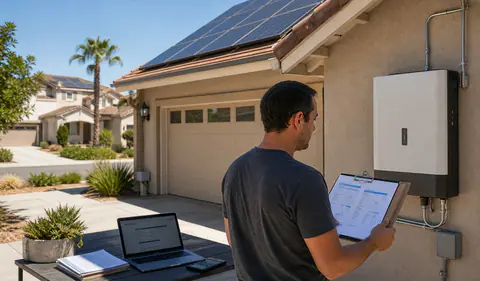
Think about your normal day. Maybe the house is quiet at noon, but busy after work. That matters. If your panels make power when no one is home, a battery may save some of that power for later. If someone is home during the day, you may use more solar right away. Tell the installer about your schedule. Tell them about EV charging, pool pumps, medical equipment, and air conditioning. A good plan should fit your real day, not an average house.