Why this is new now
Ava Community Energy launched its SmartHome Battery program on April 9, 2026. Ava says the program has more than 11 million dollars behind it. The goal is simple. Help more homes add a battery. Then connect those batteries to a virtual power plant. A virtual power plant is a group of home devices that can help the grid at busy times. For a homeowner, that means the battery may do two jobs. It may help your house during an outage. It may also send some stored power when the grid is strained.
What the money can look like
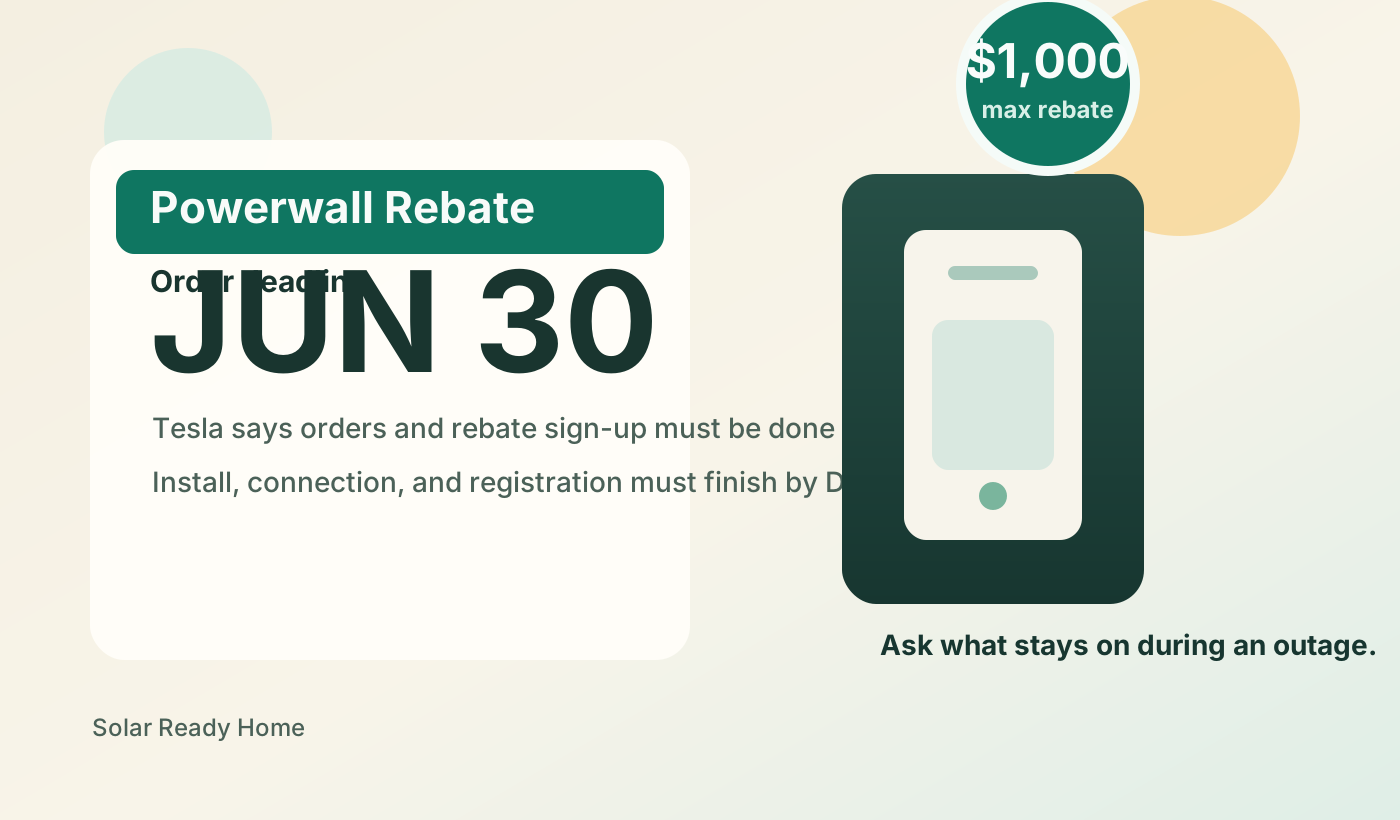
Ava says the offer has two parts. The first part is an installation rebate. The second part is ongoing participation pay. Ava says the rebate amount depends on your income, your battery size, and how much battery capacity you agree to share. Tesla's Ava program page gives one clear example for Powerwall owners. It says a market-rate customer can get a 972 dollar rebate per Powerwall 3 and up to 388 dollars per year in ongoing pay. It also says CARE or FERA customers can get a much larger upfront amount. That sounds strong, but do not stop at the headline number. Ask what your exact battery model, utility account, and service address qualify for.
Backup power still comes first
Money is nice. Backup power is nicer when the lights go out. Tesla says Powerwall in this program will not discharge below a 20 percent backup reserve during virtual power plant events. That is helpful, but it is not the same as whole-home backup. Ask what stays on. Ask about the fridge, some lights, internet gear, garage access, medical gear, and one cooling plan if that matters in your house. Ask how solar recharges the battery during an outage. Ask if your installer is designing for part-home backup or bigger backup.
Why the contract details matter
California's consumer guide says you should get a clear cost breakdown and a standardized bill-savings estimate before you sign. It also says to check the installer's license and to walk through the savings inputs. That matters here because this is not just a battery sale. It is a battery plus program contract. Ask how long the participation term lasts. Ask what happens if you move. Ask what happens if you opt out of an event. Ask who controls the battery settings. Ask if the battery can still chase time-of-use bill savings when no grid event is happening.
Do not use old 2025 tax-credit math
For a new 2026 homeowner project, clean math matters. The IRS says the Residential Clean Energy Credit is not available for property placed in service after December 31, 2025. So your quote should stand on its own price. Put the battery cash price on one line. Put the Ava rebate on another line. Put the expected quarterly program pay on another line. If a seller is still using the old homeowner federal credit to make the deal look better, ask for a corrected sheet.
Simple homeowner checklist
Ask if your address is inside Ava Community Energy's service area. Ask which battery brands are approved today, not just planned later. Ask how much battery capacity the installer wants to nominate to the program. Ask what backup reserve stays for your family. Ask for one page that shows system price, rebate amount, yearly pay estimate, rate-plan assumptions, and outage loads with no old federal homeowner tax credit mixed in. Then compare that sheet with one plain battery quote that does not join a grid program.