Why this matters now
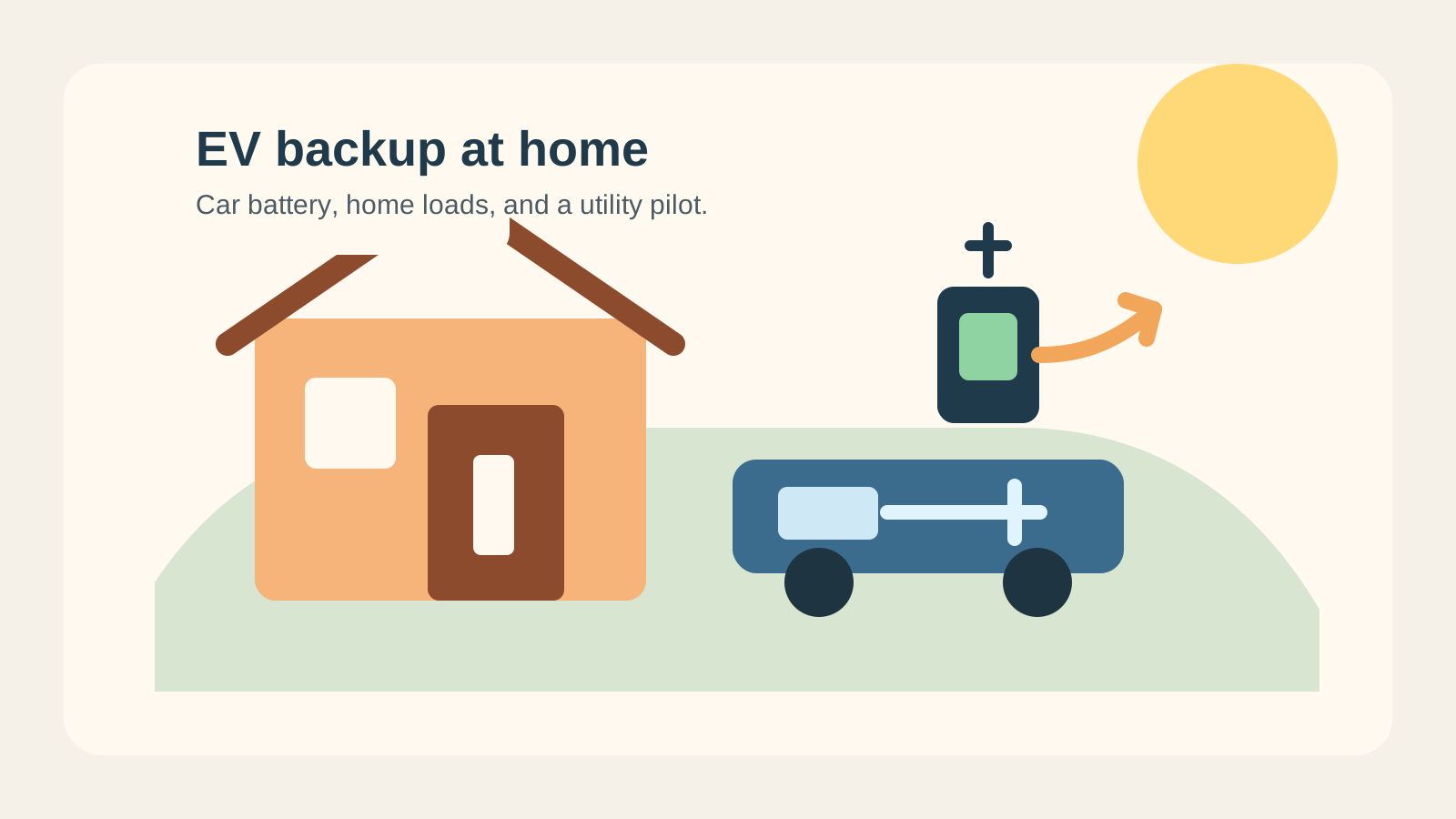
This week, GM made a bigger public push for bidirectional charging. That is a long name for power that can move both ways. Your car can charge from the house, but it can also send power back to the house. GM says this can help keep a properly equipped home running in a blackout. PG&E in California already has a pilot program for this kind of setup. So this is no longer just a future idea. For some homeowners, it is becoming a real shopping question in 2026.
What the setup really is
This is not just a car and a cord. GM says you need a vehicle that is built for vehicle-to-home use, a special charger, extra control gear, and a home that is ready for it. GM also says weather, battery level, and your home setup affect how long power lasts. In plain words, do not assume your EV will run the whole house all night. Think first about key loads. That means the fridge, some lights, internet, fans, garage door, and maybe part of the air conditioning plan. Ask for a written list of what stays on during an outage.
The price question comes first
The equipment is not cheap. GM's own product pages show a V2H bundle at $8,098 and a V2H enablement kit at $6,299 during a posted sale that runs through June 30, 2026. That is before labor and before any extra electrical work at your house. Some homes may also need panel work or other upgrades. So if you are comparing this with a home battery, ask for the full installed price. Ask what work is included. Ask who handles permits, utility approval, and warranty service if something stops working.
PG&E may help with some of the cost
PG&E says its Vehicle to Everything pilot can pay a one-time $2,500 incentive for the charger setup, or $3,000 in disadvantaged communities. The utility's rules also say the first 250 home customers get another $1,500. Some customers can also get back certain utility review fees tied to the pilot. But there are limits. The home must be in PG&E electric service territory. The car and charger must be on the eligible product list. PG&E tells shoppers to use its checklist and electrician question guide before buying anything. That is good advice.
How solar fits in
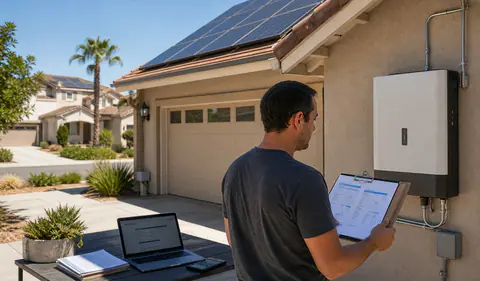
A car that powers the house is not the same thing as rooftop solar. It is backup power first. Solar still matters because it can make power at home during sunny hours and lower how much grid power you buy. GM says compatible solar can also work with its home energy setup. For a homeowner, the simple question is this: do you want lower daytime bills, outage help, or both? If you already want solar, ask whether the EV backup plan can work with the solar plan instead of becoming a separate project with a separate installer.
One more deadline to check
There may also be charger tax help for some homes, but do not assume you qualify. The U.S. Alternative Fuels Data Center says the home charger tax credit is available for property placed in service by June 30, 2026, and only in eligible census tracts. That means your address matters. Before you count that money, ask your tax pro or installer to show the rule that fits your exact home.
Your simple next steps
Start with the outage plan, not the car ad. Make a short list of what you want to keep on. Ask GM or your installer which vehicle and charger combo is approved. Ask PG&E if the pilot still has room and whether your address fits. Ask for the full installed price with no guessed tax savings. Then compare that number with a home battery quote. For some families, EV backup will be a smart add-on. For others, a regular home battery or plain solar may still be the simpler buy.