What changed this week
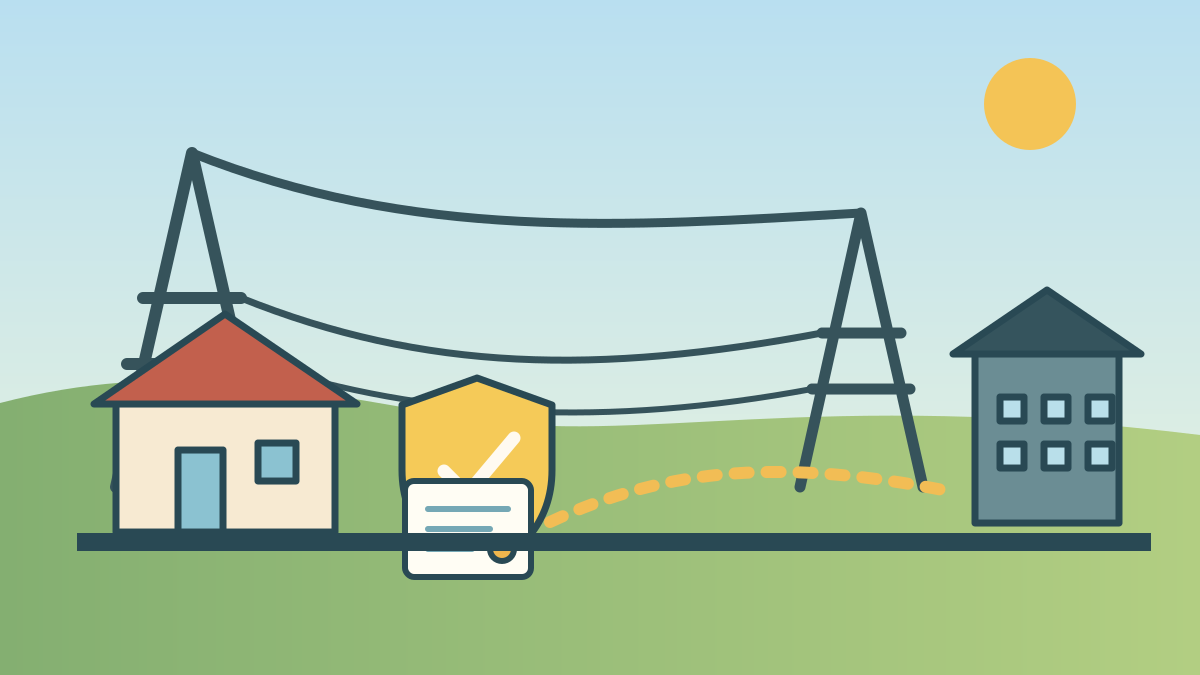
The Tennessee Valley Authority, called TVA, approved a new way to charge data centers on August 20. TVA sells power to local power companies across parts of seven states. Data centers are large buildings full of computers. They use a lot of power. TVA says the new rule puts these large users in a clearer price group. It also says the rule is meant to stop homes and normal businesses from paying for data-center growth costs. This is a big grid rule. It is not a new home solar program.
What the new rate is meant to do
TVA says the changed rate is meant to match the cost of serving very large computer loads. Local reporting says data centers will move off the old manufacturing rate and onto their own rate class. The reporting also says new data centers face a capacity charge to help pay for needed grid work. A capacity charge is money paid to make sure enough power and wires are ready. The goal is simple. A new large user should help cover the special work it needs. That is different from putting all of the cost into every family's monthly bill.
What it does not promise
This rule does not mean your next bill will drop. TVA's official notice says the change is meant to protect homes, but it does not promise a set home-bill savings. Your local power company still sends your bill and sets some local charges. Fuel costs, weather, how much power your home uses, and other utility decisions can still move the total. Keep an eye on the actual bill, not just a headline. If a seller says this rate rule guarantees solar savings or battery pay, ask for the full math in writing.
Why solar still needs its own math
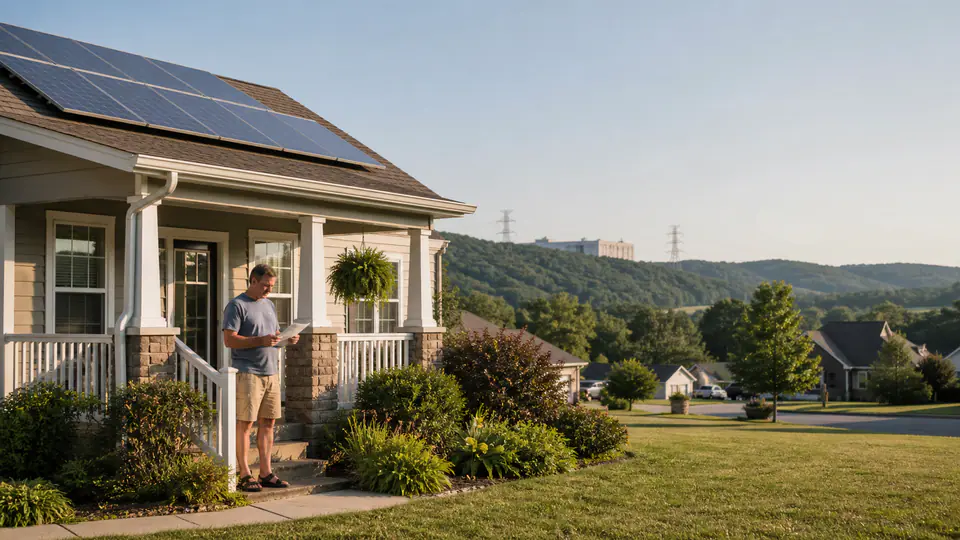
A data-center rate is about who pays for large grid needs. Rooftop solar is about your home making power in the day. A home battery stores some power for later and may keep selected things on in an outage. These can help a home buy less grid power at certain times. They do not erase every power-bill charge. Ask a full-service installer to use your last twelve bills and your exact local power plan. Ask for one solar-only case and one solar-plus-battery case. Then ask what stays on when the power goes out.
Watch your local power company
TVA serves the larger region, but many homes deal with a local municipal utility or electric co-op. That local company is the best place to ask about your home bill. Look for a bill notice, a public meeting, or a rate page that shows a typical home example. Ask what part of your bill is for energy and what part is for delivery. Ask whether a proposed change comes from TVA, the local company, or both. A clear answer helps you spot a real change instead of a scary sales claim.
Simple homeowner checklist
Save your last twelve power bills. Check which local power company sends them. Ask that company if the new TVA data-center rule changes any home rate today. Ask when its next rate notice will be public. If you are shopping for solar, get a quote based on your real bills, not a guess about future data-center costs. Ask what extra solar is worth on your plan. Ask what a battery keeps on during an outage and for how long. Ask who handles permits and utility approval. For a new 2026 project, ask for the full price with no old federal homeowner tax credit added. Keep every promise in writing.
Sources
- TVA August 20, 2026 board release on its updated rate structure and rising data-center demand
- WSMV reporting on the separate data-center rate class and capacity commitment charge
- WKMS reporting on the limits of the public information and the role of local power companies
- TVA July 2026 explanation of its large-load rate review