Why this matters now
More electric cars may soon do more than drive. New home-energy moves are putting car backup and grid support in front of more families. The basic idea is simple. A car battery can send power back out. It may help run part of a home when the grid is down. It may also help a home avoid using power at an expensive time. But this is not a feature that comes with every electric car. A family should treat it like a home project, not like a phone charger.
The big word: bidirectional
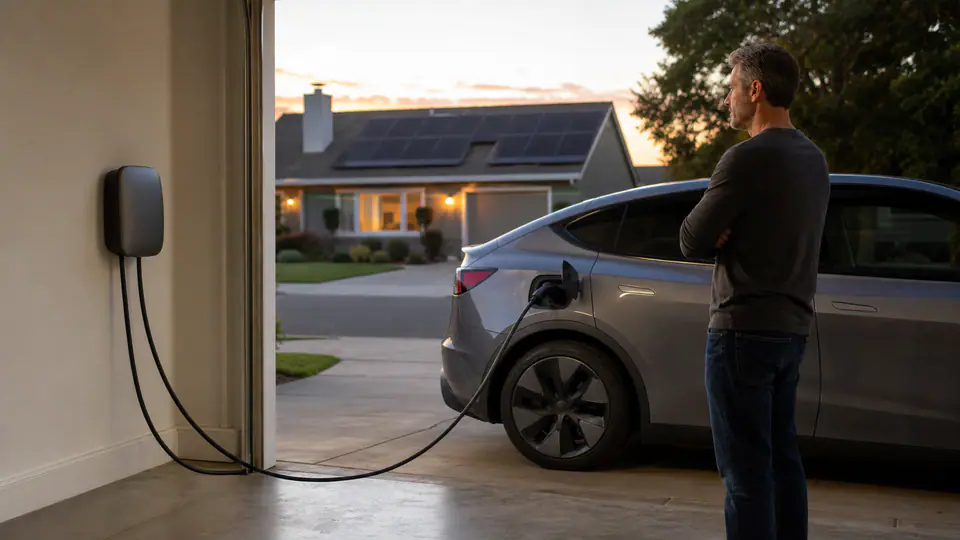
Bidirectional means power can move both ways. Your EV can take power in to charge. A bidirectional setup can also send power back out. The U.S. Department of Energy says this can serve an outside load, a building, or even the grid when the car and charging gear are both made for it. The names can sound hard. Vehicle-to-home means the car helps the home. Vehicle-to-grid means the car may help the power company. For backup, vehicle-to-home is the part most families care about.
A normal car plug is not home backup
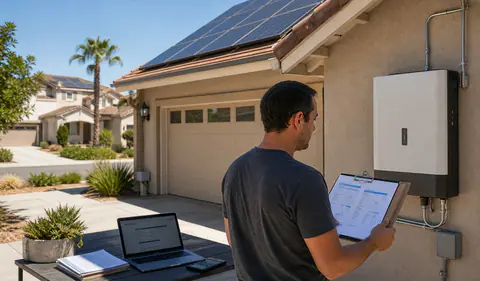
A regular wall plug or normal Level 2 charger does not turn an EV into safe home backup. You need a car that can send power out. You also need compatible charging equipment. Many homes need a backup switch or similar safety device. That device keeps your car power from flowing out to utility lines during an outage. It protects line workers. A licensed electrician must check your main panel, wiring, and the loads you want to keep on. Do not try to feed house power through a dryer outlet or an improvised cord.
What may stay on during an outage
The answer depends on the car, charger, and home plan. A careful backup plan might cover a fridge, lights, internet gear, a few outlets, and maybe a small well pump. Big loads use power fast. Central air conditioning, electric heat, ovens, dryers, and pool pumps may need more power than the setup can supply. Ask the installer to list the exact backed-up circuits. A car battery can be large, but it is not magic. You still need enough power at one time and enough stored energy for the hours you need.
How solar and a car can work together
Solar can charge a car during the day when the system is designed to do that. The car may then help the home later. This can lower how much power the home buys from the grid. But it can also leave less driving range for tomorrow. Decide on a minimum charge level before you join a utility program or use the car for home power. Some new home-energy programs also talk about grid support. Read those terms slowly. The power company may want access to the car battery at high-demand times.
Simple homeowner checklist
Ask if your exact car model can send power out for home backup. Ask which charger and backup switch work with it. Ask if the setup works when the grid is off, not only when it is on. Ask what stays on during an outage and what does not. Ask how much driving range you keep after a night of home backup. Ask if your power company needs an application or approval. Ask if solar, a home battery, and the car can work together without extra equipment. Ask for the full installed price without an old homeowner federal tax credit added to a new 2026 project. If the answer is only a sales promise, wait for a written system plan.
Sources
- U.S. Department of Energy overview of bidirectional charging, backup, and grid uses
- Associated Press July 2026 report on automakers moving into home backup and energy
- WeaveGrid and GM Energy July 2026 home-energy and bidirectional charging announcement
- Tesla July 2026 overview of solar, home battery, EV charging, and virtual power plant setup