Why this matters in Nevada now
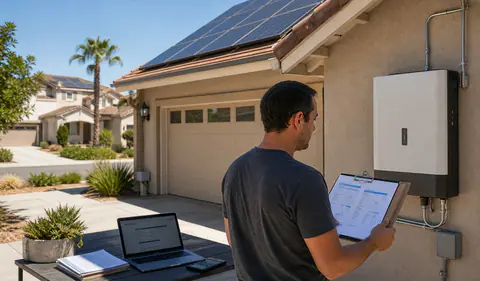
Nevada has a new homeowner solar story in 2026. It is not the old one. The IRS says the Residential Clean Energy Credit is not available for property placed in service after December 31, 2025. That changed the math for homeowners who planned to buy a system and claim the credit on their own tax return. Now the Nevada Clean Energy Fund is pointing families to Nevada BRIGHT. It says this is a new solar lease program for homeowners. In plain words, the homeowner does not buy the solar system the usual way. A commercial owner leases it to the household instead.
What Nevada BRIGHT says it offers
Nevada BRIGHT says program partners can use the commercial tax-credit structure to give up to a 25 percent discount off the cost of a solar system. The page also says the installer partner will install, own, monitor, and maintain the system for at least six years. That can sound simple to a busy homeowner. It may mean less repair worry. It may also mean you are not the system owner. Nevada BRIGHT says the homeowner gets the energy benefits from the solar system over its life, while the partner handles operations and maintenance during the lease.
What the lease changes for you
The Department of Energy says solar leases and power purchase agreements let homeowners use a company-owned system. It says these deals can lower power bills and may avoid a monthly loan payment. It also says you do not get the tax benefits because you do not own the system. That is the trade. A lease can lower the big upfront hit. But it also changes who gets the tax value, who controls some contract terms, and what happens if you sell the home later. Ask who owns the equipment. Ask how long the lease lasts after the first six years. Ask what happens if you move, refinance, or want to buy the system out later.
Why utility approval still matters
A new program name does not skip utility rules. NV Energy says customers who want rooftop solar can still take part in net metering, and they must apply through PowerClerk to have the system interconnected. That means utility approval still matters before the system is truly ready. NV Energy also says net metering is how solar customers offset part of the monthly power bill. So do not stop at the lease discount. Ask the installer to show your expected bill with the real NV Energy setup. Ask how much solar power you will use in the home, how much may go back to the grid, and what charges stay on the bill even with solar.
Do not use old 2025 tax-credit math
This part matters most in 2026. The IRS page is clear. The homeowner Residential Clean Energy Credit is not available for property placed in service after December 31, 2025. So if a seller shows savings from an old homeowner federal credit on a new 2026 owned-system quote, the sheet is wrong. If a seller shows a lease option, ask how much of the commercial tax benefit is really being passed through to you. Put the lease payment on one line. Put the expected bill savings on one line. Put any loan payment for an owned option on one line. Clean lines make the choice easier.
How to compare this with a normal quote
Get two offers if you can. Ask for one Nevada BRIGHT style offer and one plain owned-system offer. Then compare the same things on both sheets. Compare the total monthly outflow. Compare who pays for repairs. Compare who handles monitoring. Compare what happens when you sell the home. Compare the expected bill after solar, not just the system payment. If the lease sheet saves money up front but locks you into terms you do not like, that matters. If the owned sheet costs more now but gives you more control later, that matters too.
Simple homeowner checklist
Ask who owns the solar system on day one. Ask for the full lease term, not just the first headline number. Ask what your power bill may still look like under NV Energy net metering. Ask who handles utility approval and when the system can turn on. Ask what happens if you move before the lease ends. Ask if there is a buyout option and how that price is set. Ask for a side-by-side sheet with lease cost, owned-system cost, expected bill, repair responsibility, and no expired homeowner federal credit mixed into the math.