Why this matters now
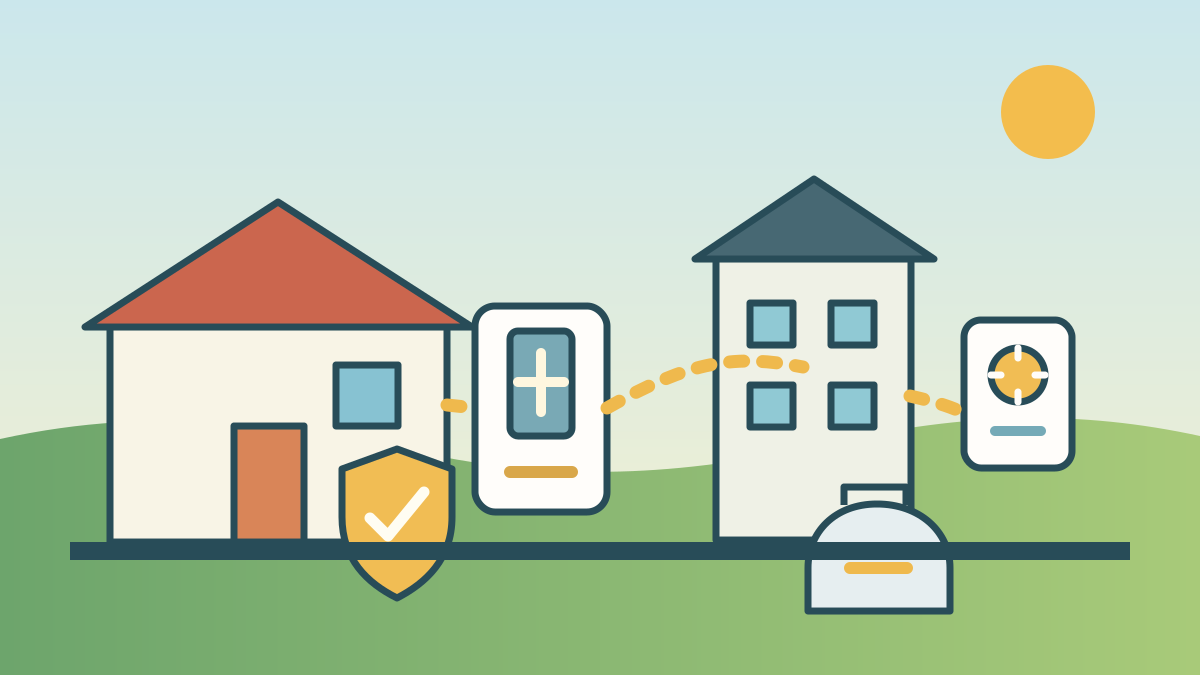
New Jersey is talking about a new kind of power program. It is called a virtual power plant, or VPP. That sounds big, but it uses small things already in homes. A home battery, smart thermostat, or EV charger can make a small change when the grid is busy. Many homes together can help like one larger power plant. The New Jersey Board of Public Utilities is asking people to comment on its proposal by August 17.
This is not a sign-up page yet
The first fact to know is simple. New Jersey has not opened a finished VPP program for every home. The Board has a proposal and is asking for ideas before it makes final rules. Do not buy a battery because a seller says the state program is ready today. A future program may have limits on which power company, device, battery size, home address, or ownership plan can join. The rules may also change before a real sign-up starts.
What a VPP could ask from your home
A VPP may ask your battery to send some power out during a high-use event. It may ask a smart thermostat to adjust a few degrees for a short time. It may move EV charging to a less busy hour. In return, a home may get a bill credit, discount, or direct payment. The exact amount is not set by the proposal alone. A good program needs clear rules. Families should know how often events happen, how long they last, and what happens if they need their battery for an outage.
Backup power must come first
A battery has two jobs that can conflict. It can help the grid. It can also keep your home running when the lights go out. A future program should let a family keep some power saved for backup. That saved amount is often called a reserve. In plain words, it is the battery power you do not want the program to use. Ask whether you can choose your own reserve. Ask if you can skip an event when a storm is coming. Ask what stays on during an outage.
Why this connects to solar and EVs
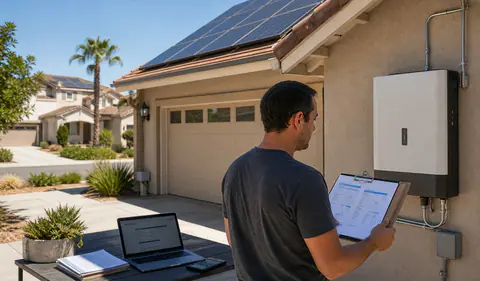
Solar can fill a battery during the day. A battery can then help the home after sunset. An EV charger can avoid adding more load during the busiest hours. These are useful tools, but they are not magic. A VPP does not make a small battery run a whole home. It does not turn an EV into safe home backup unless the car, charger, and home wiring are made for that job. A full-service installer should show the device plan in plain words.
Simple homeowner checklist
Before August 17, tell the New Jersey Board of Public Utilities what you need from a home program. Ask for clear pay rules and no surprise event limits. Ask for a backup reserve that the family controls. Ask for plain notice before events. Ask for a simple way to opt out during a storm, family emergency, or medical need. Ask for device rules that do not lock families into one brand. Ask for written privacy and data rules. Ask for the full battery price without old homeowner federal tax credit money added to a new 2026 project. If a seller says you must buy now to join, wait for the official program rules.
Sources
- New Jersey Board of Public Utilities VPP proposal, public meeting, and August 17 comment deadline
- U.S. Department of Energy overview of EVs, backup power, and grid support
- Tesla homeowner overview of how virtual power plants use home solar and batteries
- Dominion Energy Virginia explanation of VPP devices and program timeline