Why bills are in the news
Puget Sound Energy, called PSE, serves many homes around Seattle. Washington regulators approved several PSE power-cost changes that began in January. The state said the net change was about 12 percent for a typical electric home using 800 kilowatt-hours a month. A kilowatt-hour is the small unit used on your power bill. PSE also has a new general rate case open with the state. That means future bill rules are still being reviewed. A news report this week also described more rate pressure in the Seattle area as electricity use grows.
Do not use a news number as your quote
A headline can show why a bill matters. It cannot tell you what solar will save at your house. Your bill depends on how much power you use, what month it is, and the charges on your account. Find 12 months of bills if you can. Add up the kilowatt-hours, not just the dollars. Then mark your high-use months. A home with high winter heat use has a different solar plan than a home with high summer air-conditioning use. Ask a full-service installer to use your real bills in the estimate.
Solar lowers some power you buy
Rooftop solar makes power when the sun is out. It can lower the amount of power you buy then. It does not erase every part of a bill. Many bills include fixed charges and other utility costs. Extra solar power may earn a credit, but that credit has its own rule. Ask PSE for the current rule before signing. Ask the installer to show three things on paper: the solar power your home uses right away, the power sent out, and the power you still buy after dark. That is clearer than one big savings number.
A battery is a timing tool
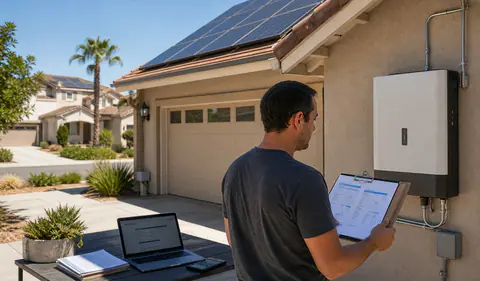
A home battery can hold daytime solar power for later. It may help a home use more of its own solar after the sun goes down. It can also provide backup power if the system is designed for an outage. A battery is not a promise that the whole house stays on. The backup switch and the size of the battery decide what works. PSE is looking for ways to get flexible power from customers and other resources. That does not mean every home battery will get paid. Ask about any program only after you know the terms, the event rules, and what backup power you keep.
Check help before you borrow
A higher bill can make a solar loan sound urgent. Slow down. PSE says its Bill Discount Rate and Home Energy Lifeline Program can help some households pay their bills. Check those programs first if money is tight. They may help now while you decide if a roof project makes sense. Do not add an old federal homeowner tax credit to a 2026 quote unless a current official source proves it applies to your exact project. A good plan must still work with no guessed rebate, no guessed export credit, and no guessed battery payment.
Simple homeowner checklist
Download a full year of PSE bills. Write down your total kilowatt-hours and your biggest-use months. Ask for one solar quote based on those bills. Ask for a second quote with a battery only if you want backup power or more evening solar use. Ask what stays on in an outage. Ask which utility charges solar does not change. Check PSE bill-help programs before using a loan. Last, get written utility approval before turning on any new grid-connected system.
Sources
- Washington Utilities and Transportation Commission on PSE electric bill changes effective in 2026
- Washington Utilities and Transportation Commission docket for PSE's 2026 general rate case
- PSE 2026 request for flexible power resources
- PSE bill help information
- Axios report on recent Seattle-area electric bill pressure